How to Foster Inclusivity in Dance Gatherings
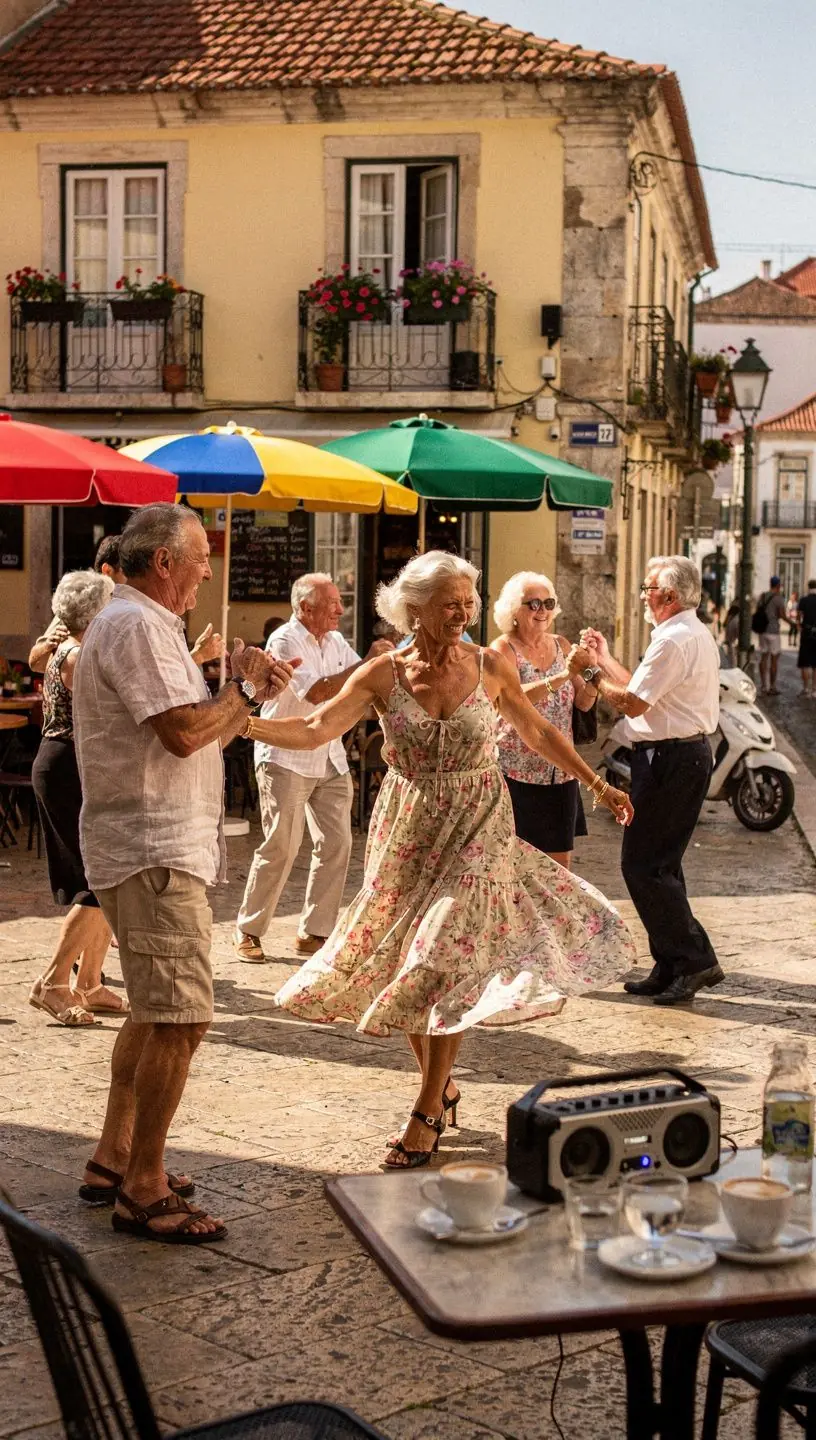
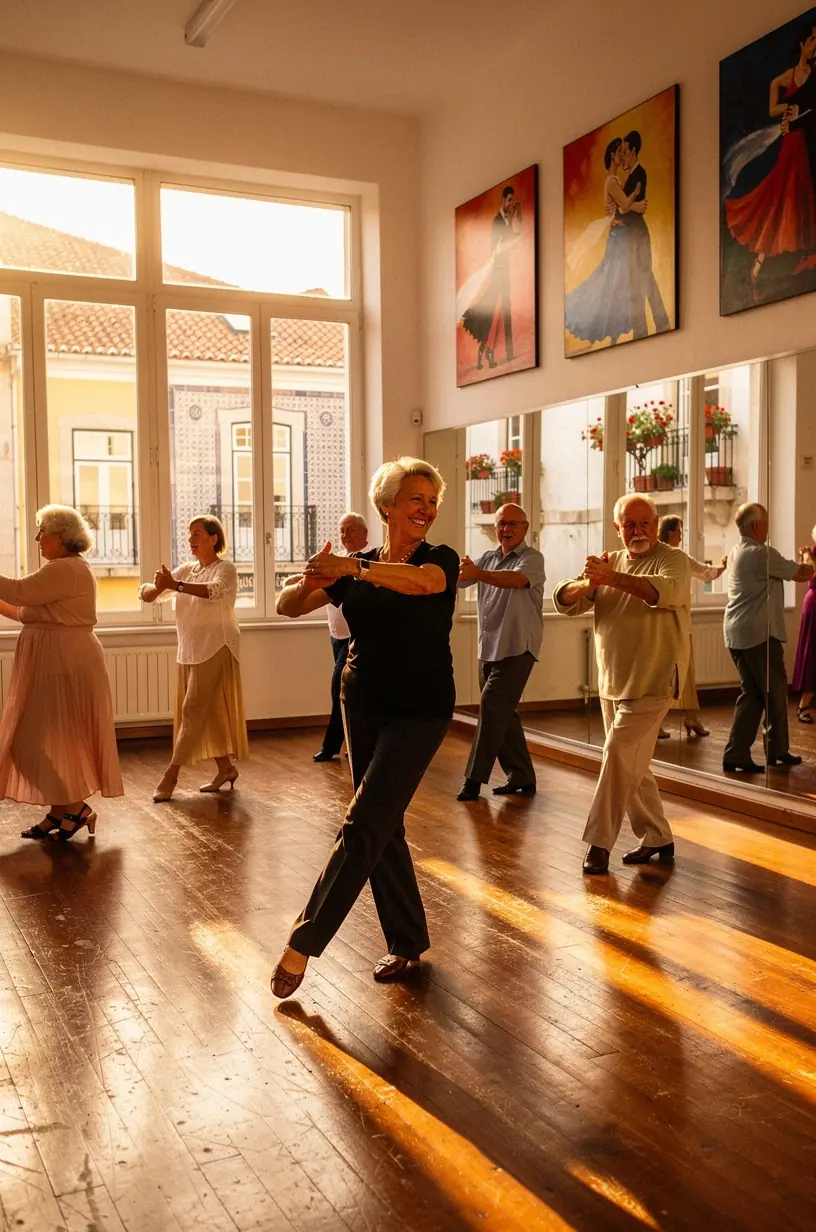
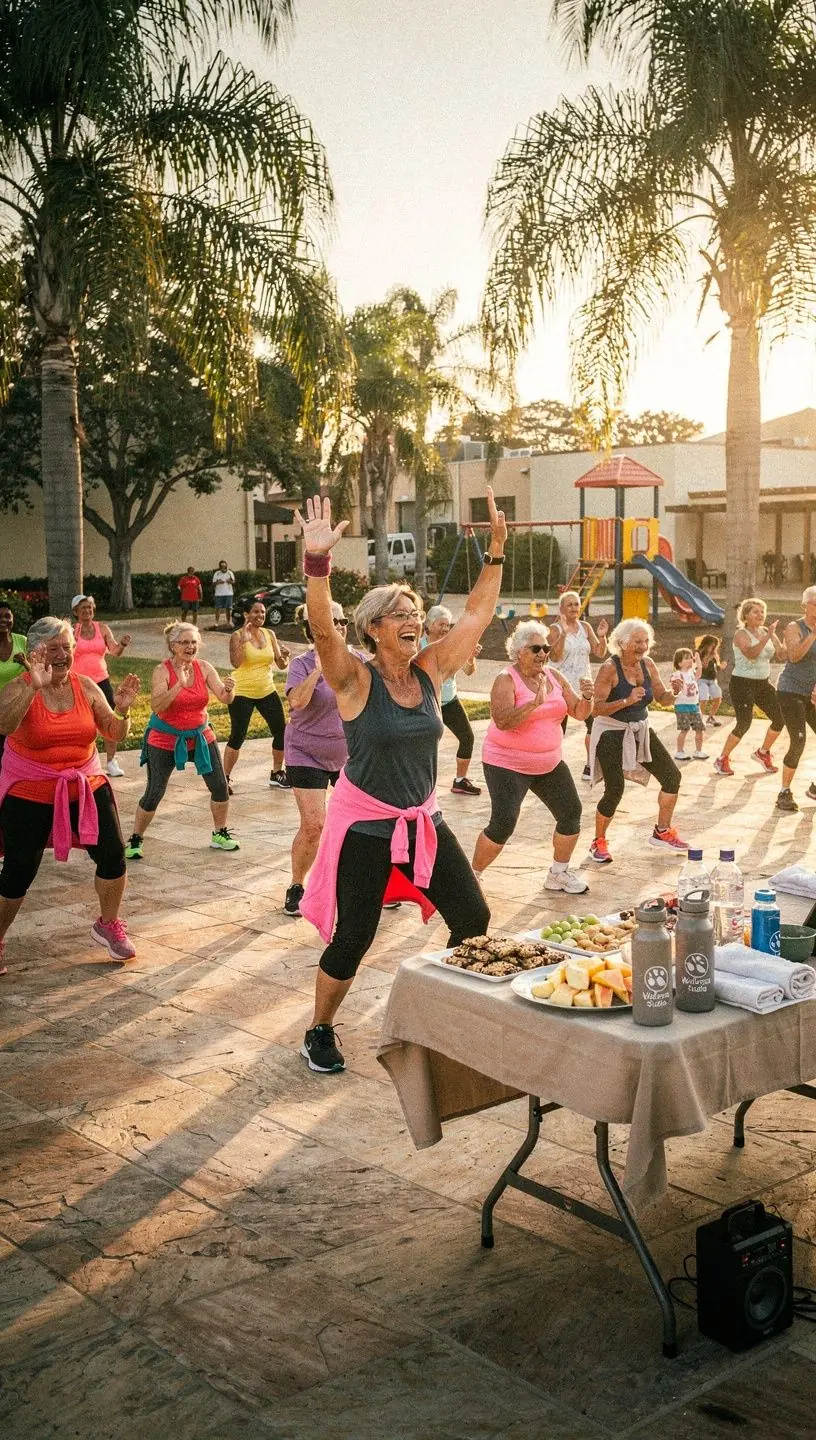
Creating an inclusive environment in dance gatherings is essential for promoting active aging and ensuring that everyone can participate fully. This article explores practical steps to foster inclusivity in dance studios while enhancing social interaction.
Understanding the Importance of Inclusivity
Inclusivity in dance gatherings often means creating an environment where individuals, regardless of their physical abilities or backgrounds, feel welcomed and valued. According to research conducted by the National Institute of Health, inclusive practices in community activities can significantly enhance mental health and social connectivity among seniors.
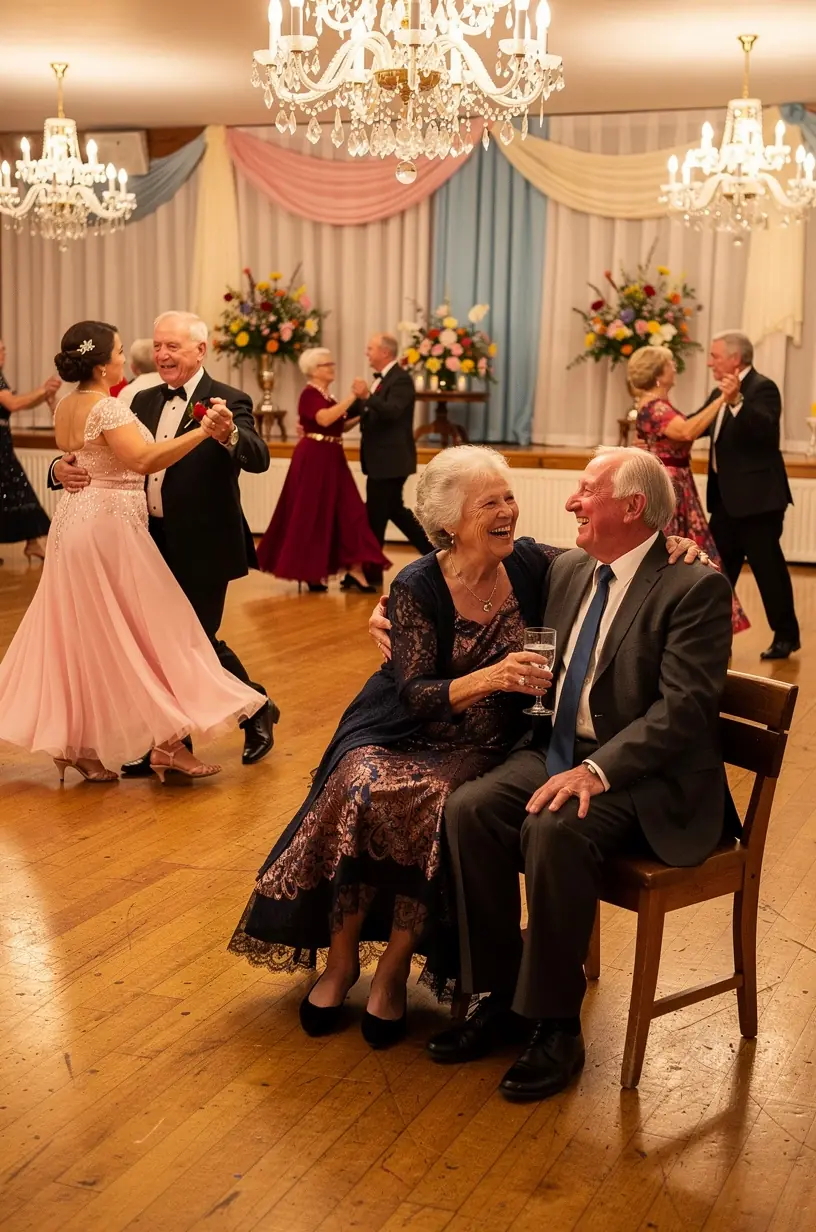
"Inclusive environments not only empower individuals but also enhance community cohesion," states Dr. Jane Anders, a sociologist specializing in active aging.
Strategies for Fostering Inclusivity
Implementing inclusivity requires a thoughtful approach. Here are several strategies that dance studios can adopt:
- Adapt Dance Styles: Many users report that accommodating various dance styles can help engage participants of different abilities. For instance, offering classes that blend traditional styles with adapted movements can make a difference.
- Facilitate Communication: Open lines of communication between instructors and participants are vital. Instructors should regularly ask for feedback to understand the needs and challenges faced by attendees. This practice typically establishes trust, making participants feel more comfortable sharing their experiences.
- Provide Supportive Resources: Offering resources such as one-on-one coaching sessions or accessible facilities can greatly enhance participation. Experts recommend ensuring that studios have ramps, ample space, and equipment suitable for all dance forms.
- Host Inclusive Events: Organizing themed gatherings that celebrate diversity can encourage participation. Events that highlight various cultures through dance styles create a sense of belonging and community.
Creating a Welcoming Environment
The atmosphere of a dance gathering can significantly influence how inclusive it feels. Here are some actionable tips:
- Warm Greetings: All members, including staff and participants, should feel empowered to welcome newcomers. A friendly introduction can make a substantial difference in how individuals perceive the environment.
- Encourage Pairing Up: In many cases, pairing experienced dancers with newcomers can promote inclusivity. This peer support system not only helps in skill-building but also fosters friendships.
- Use Positive Language: The language used in classes and gatherings should be encouraging and supportive. Avoiding comments that may unintentionally discourage participation or imply exclusion is vital.
Measuring Inclusivity Efforts
To understand the impact of inclusivity initiatives, it’s essential to gather data from participants. Surveys and informal discussions can help gauge participant satisfaction and identify areas for improvement. Research indicates that regular feedback loops can enhance the quality of programs, leading to increased participation and improved participant experiences.
Conclusion
Fostering inclusivity in dance gatherings not only enriches the experience for participants but also contributes positively to community well-being. By implementing adaptable practices, encouraging open communication, and creating welcoming environments, dance studios can help ensure that everyone, regardless of their ability, can find joy and connection through movement. Remember, creating an inclusive space is a continuous journey that requires dedication and reflection.