Practical Guide to Social Dance for Older Adults
Social dance can be a delightful and enriching activity for older adults. This guide provides practical insights and strategies to help you engage in social dance safely and enjoyably.
Understanding the Benefits of Social Dance
Social dance is not only a fun way to enjoy music but also offers numerous physical and mental health benefits for older adults. According to research, engaging in regular dance activities can improve balance and coordination, which are crucial for fall prevention in older populations. Studies show that social dancing can enhance cardiovascular health, as many forms of dance provide a moderate level of aerobic exercise.
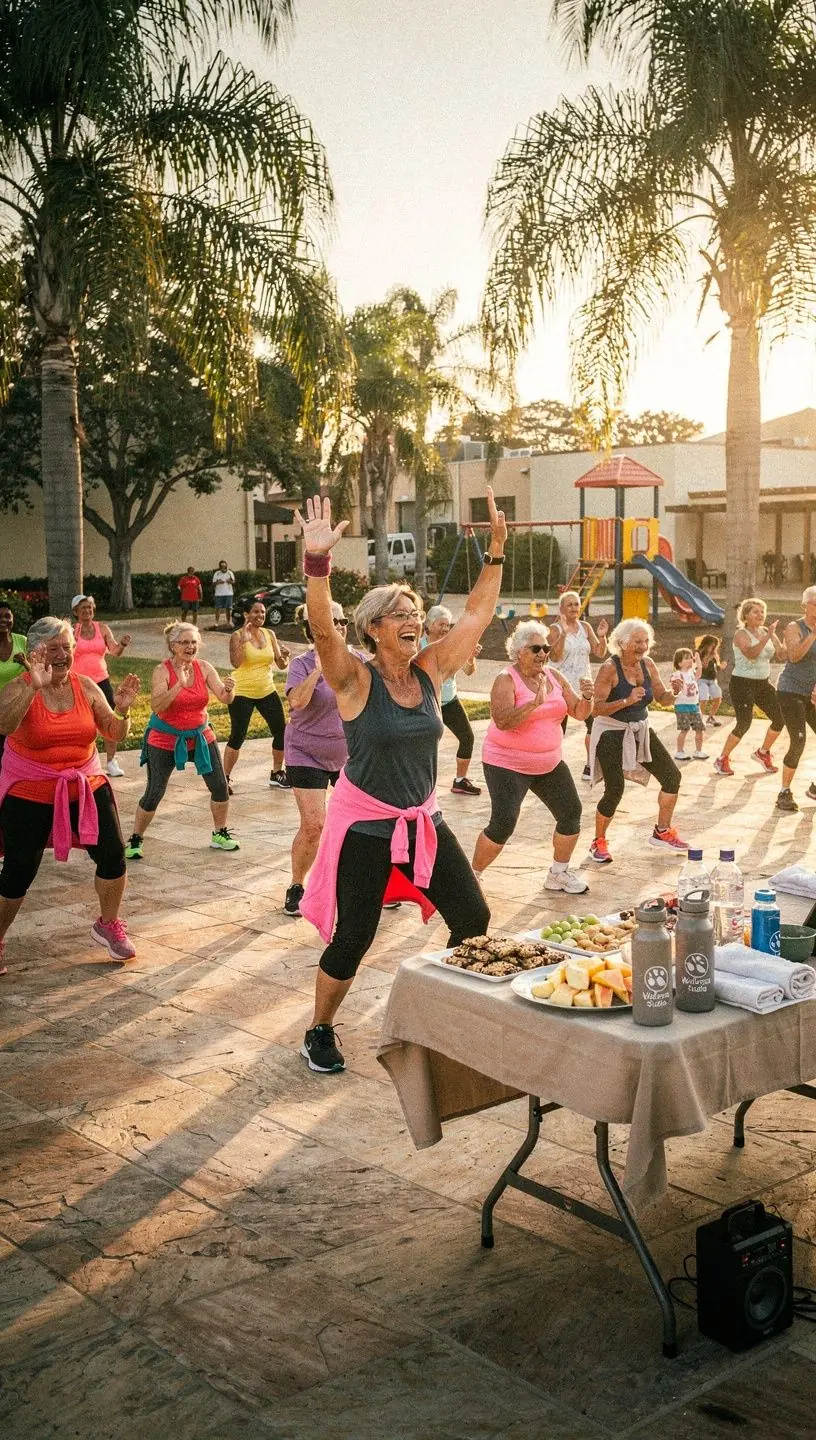
"Dancing has been shown to improve cognitive function and emotional well-being, making it a holistic activity for seniors."
Choosing the Right Dance Style
There are various dance styles to consider, each with its own unique benefits. Here are some popular options:
- Ballroom Dance: This style involves partner dancing and is often slow-paced, making it suitable for beginners.
- Line Dancing: A solo dance form that allows for easy participation without the need for a partner, often featuring simple steps.
- Latin Dance: Includes lively styles such as salsa and cha-cha, which can be more vigorous but fun for those looking for a workout.
Experts recommend starting with a dance style that matches your physical ability and personal interests to ensure a positive experience.
Getting Started with Social Dance
Before diving into social dance, consider the following steps:
- Find a Local Class: Look for classes that cater specifically to older adults. Many studios offer adaptive programs designed to accommodate varying skill levels.
- Consult with Your Doctor: It is advisable to check with a healthcare provider before starting any new physical activity, especially if you have preexisting health concerns.
- Practice Regularly: Engaging in practice sessions outside of class can significantly improve your skills. Many users report that a commitment of 1-2 hours per week is effective.
These steps can help lay the foundation for a rewarding dance experience.
Acknowledging Limitations and Setting Realistic Expectations
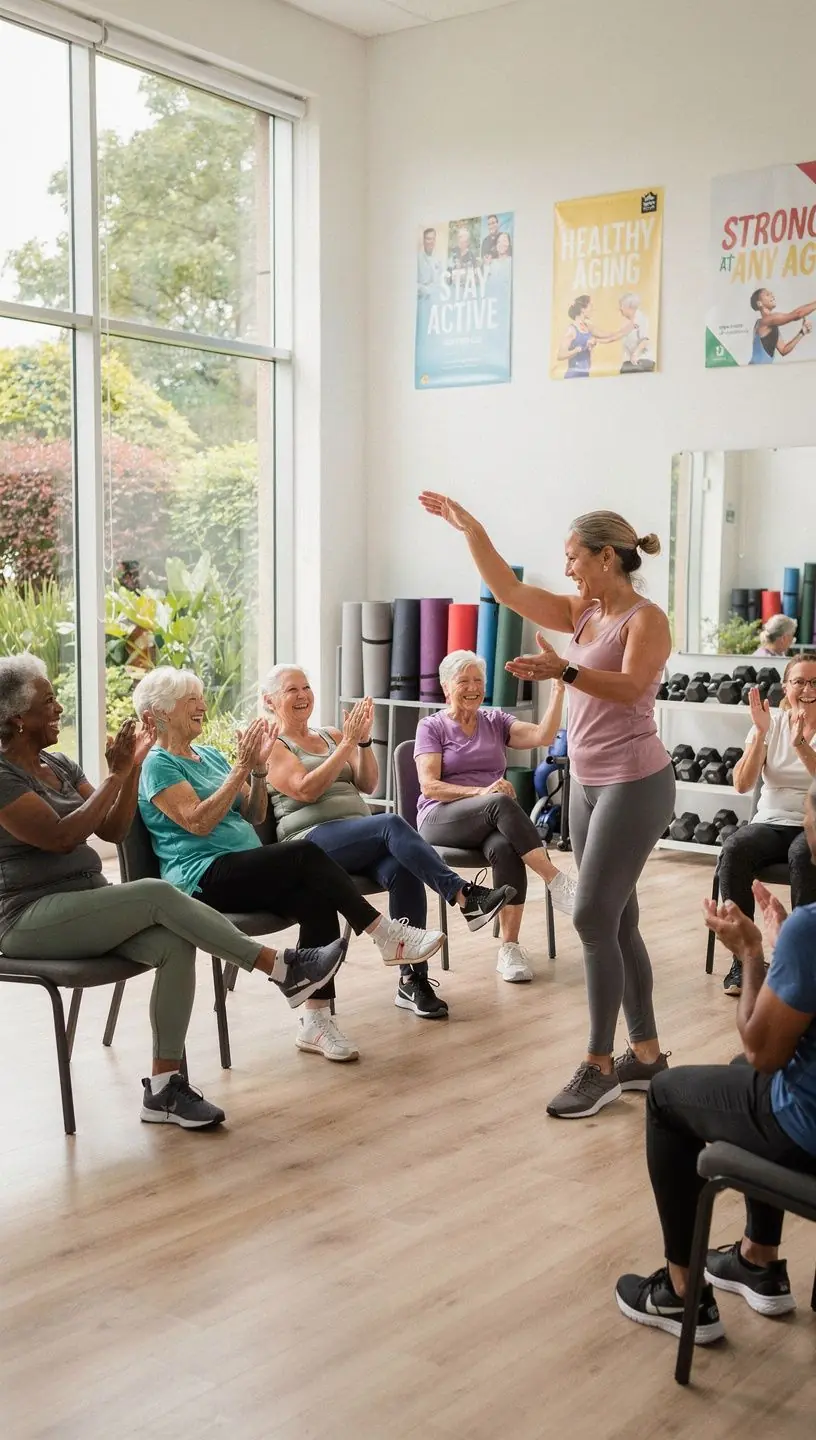
While social dance can be highly beneficial, it is important to acknowledge that it may not be suitable for everyone. Some individuals may find certain dance styles too vigorous or challenging. It's essential to listen to your body and adjust your participation accordingly. For example, someone with joint issues may prefer slower styles or seated dance options.
Furthermore, results from dance participation typically become noticeable within a few weeks to months. Regular attendance and practice are key, as many users report feeling more comfortable in their movement and improved mood after consistent participation.
Conclusion
Social dance is a promising activity that can lead to improved physical health, cognitive benefits, and a greater sense of community among older adults. By starting with the right style, attending classes designed for your level, and maintaining a commitment to practice, you can enjoy all the benefits that social dance has to offer. Remember, the key to success lies in setting realistic expectations and enjoying the journey of movement and connection.
Learn More