Understanding the Role of Music in Senior Dance Programs
Music plays a vital role in enhancing the experience of senior dance programs. This article explores how music can facilitate movement, foster social connections, and promote mental well-being among older adults.
The Connection Between Music and Movement
Research has shown that music can significantly influence physical movement in older adults. When participants engage in dance activities accompanied by music, they often demonstrate improved coordination and rhythm. According to a study published in the Journal of Aging and Physical Activity, seniors who participated in dance programs with musical accompaniment showed a marked improvement in balance and mobility.
"Music can serve as a powerful cue for movement, helping seniors to recall and execute dance steps more effectively."
Social Engagement Through Dance
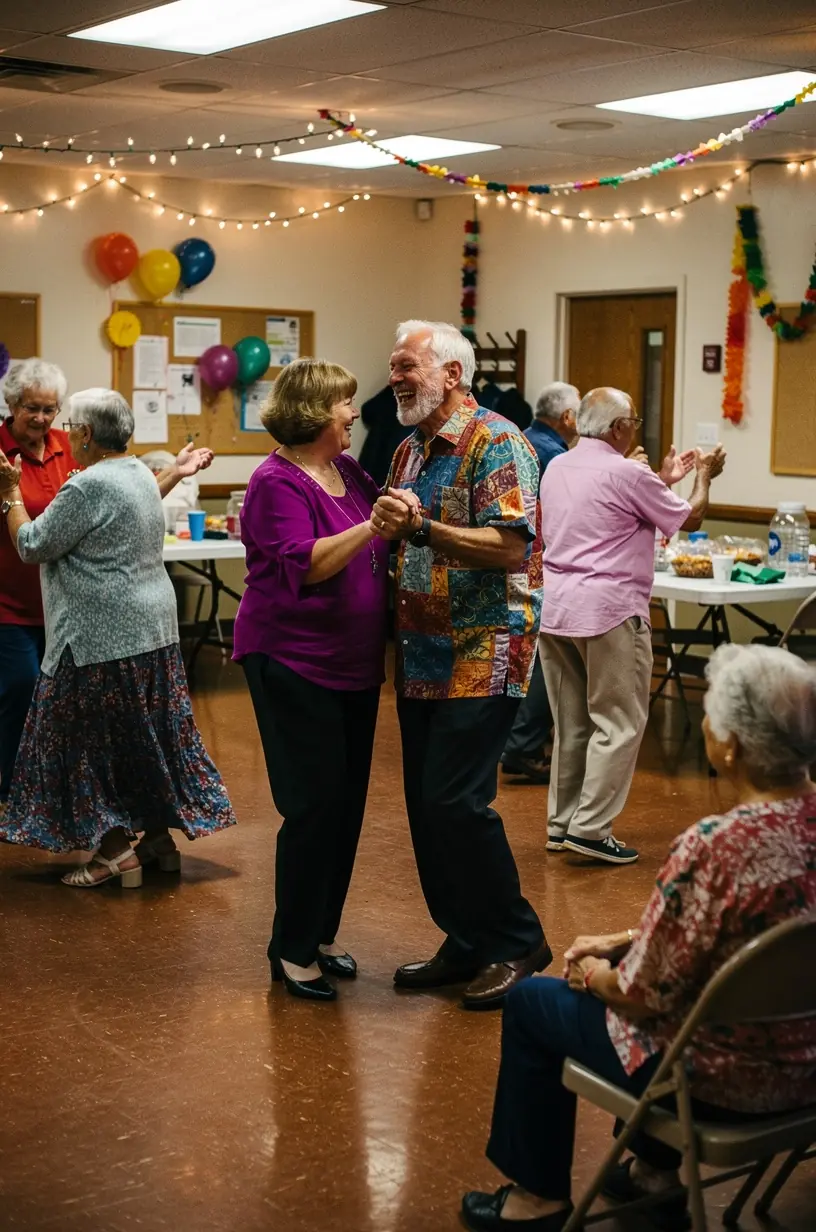
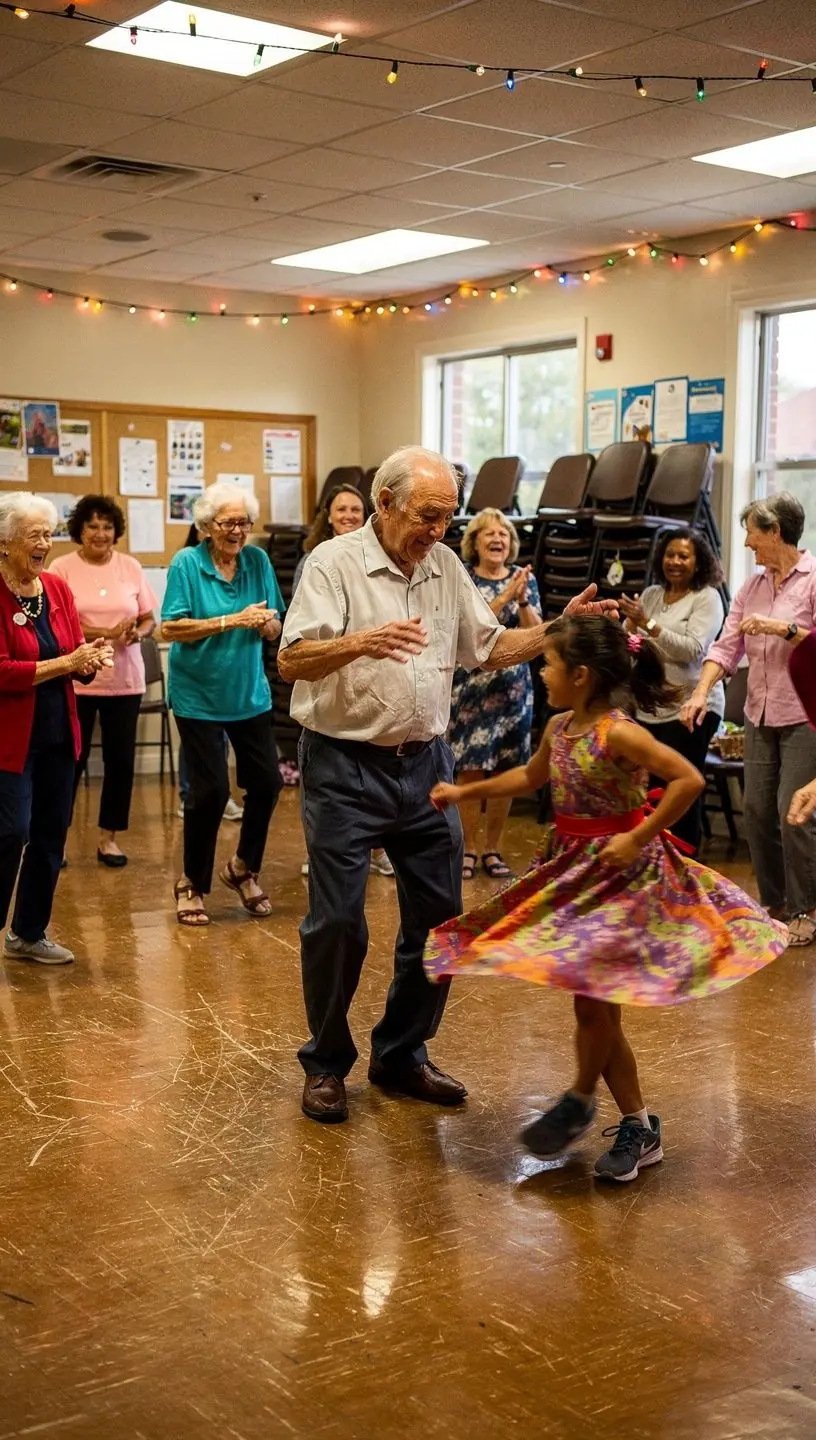
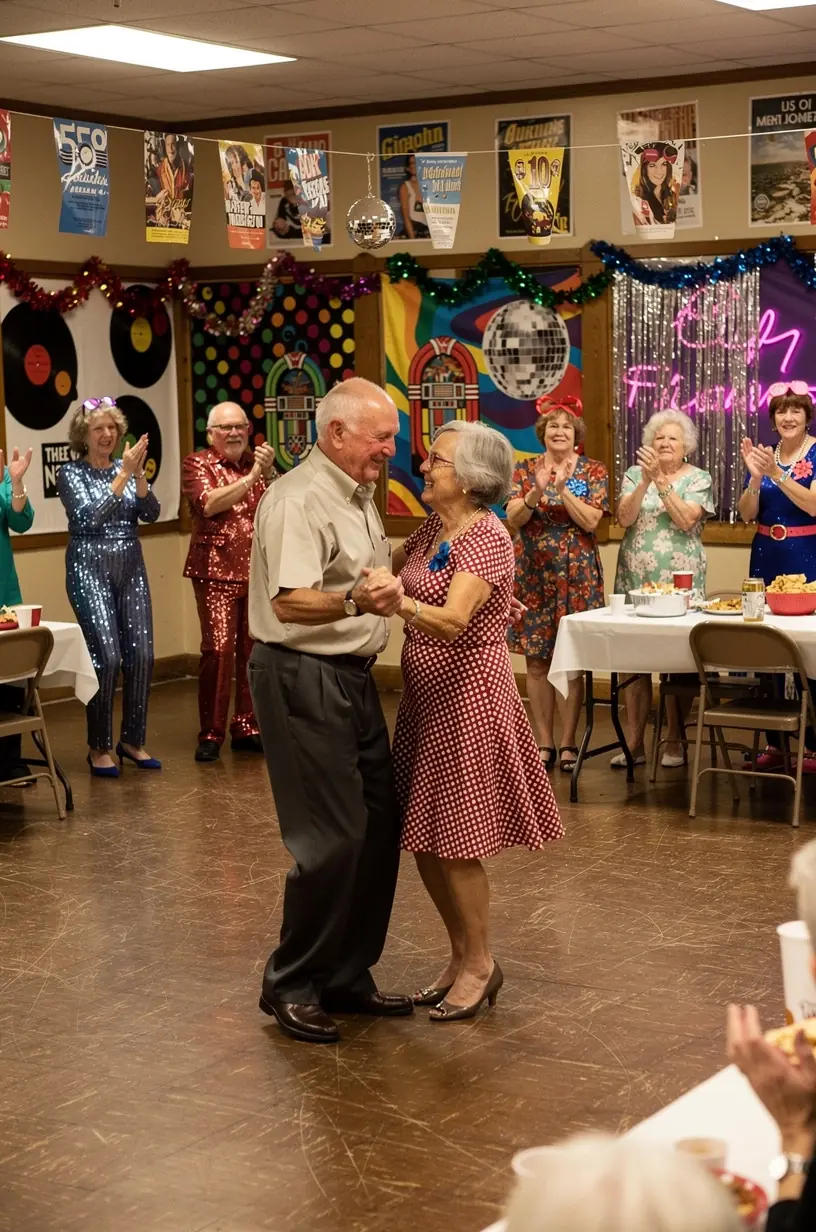
Many users report that group dance sessions foster a sense of community and belonging. Engaging in dance activities within a group setting can help combat feelings of loneliness, which is a common concern among seniors. Experts recommend incorporating music into social dance gatherings to create a lively and inviting atmosphere.
Benefits of Group Dance Programs
- Enhances Social Interaction: Group dance encourages communication and interaction, which can significantly improve mental health.
- Promotes Regular Attendance: When participants enjoy the music and the social environment, they are more likely to attend sessions regularly.
- Stimulates Cognitive Function: Dancing to music can enhance memory and cognitive skills, as it often requires participants to remember steps and rhythms.
The Psychological Impact of Music
Music can also evoke emotions and memories, which are essential components of cognitive function and emotional health in older adults. A study published in Psychology of Music found that familiar music can stimulate memories and create positive emotions, often leading to enhanced well-being. Experts suggest that incorporating a variety of musical genres can cater to different preferences, making dance sessions more enjoyable and engaging.
Choosing the Right Music
When selecting music for senior dance programs, consider the following factors:
- Familiarity: Music that participants know can encourage participation and enjoyment.
- Tempo: The tempo should match the skill level and energy of the group, typically ranging from moderate to lively.
- Variety: Including a mix of genres can keep participants engaged and interested in returning for future sessions.
Setting Realistic Expectations
While many seniors find joy in participating in dance programs, it is important to acknowledge that progress may take time. Typically, participants need to practice regularly to improve their skills and confidence. For those new to dance, a beginner-friendly approach is often advisable, allowing time to build familiarity with movements and rhythms.
Conclusion
Understanding the role of music in senior dance programs highlights its multifaceted benefits—from enhancing physical movement to fostering social connections and emotional well-being. By carefully selecting music and creating a supportive environment, dance programs can significantly enrich the lives of older adults. For those considering participating in a senior dance program, realistic expectations about commitment and progress can lead to a fulfilling experience that promotes active aging.