Creating a Safe Dance Environment for Seniors
As our population ages, promoting physical activity becomes increasingly important for maintaining health and well-being. Dancing can be an enjoyable way to engage in exercise, but ensuring a safe environment is crucial, particularly for seniors. This article explores key considerations for creating a safe dance environment tailored to older adults.
Understanding the Importance of Safety in Dance
Many studies indicate that physical activity, including dance, can significantly improve balance, coordination, and flexibility in seniors, leading to a decreased risk of falls. However, according to the National Council on Aging, falls are the leading cause of fatal and non-fatal injuries among older adults. This underscores the necessity of implementing safety measures in dance settings.
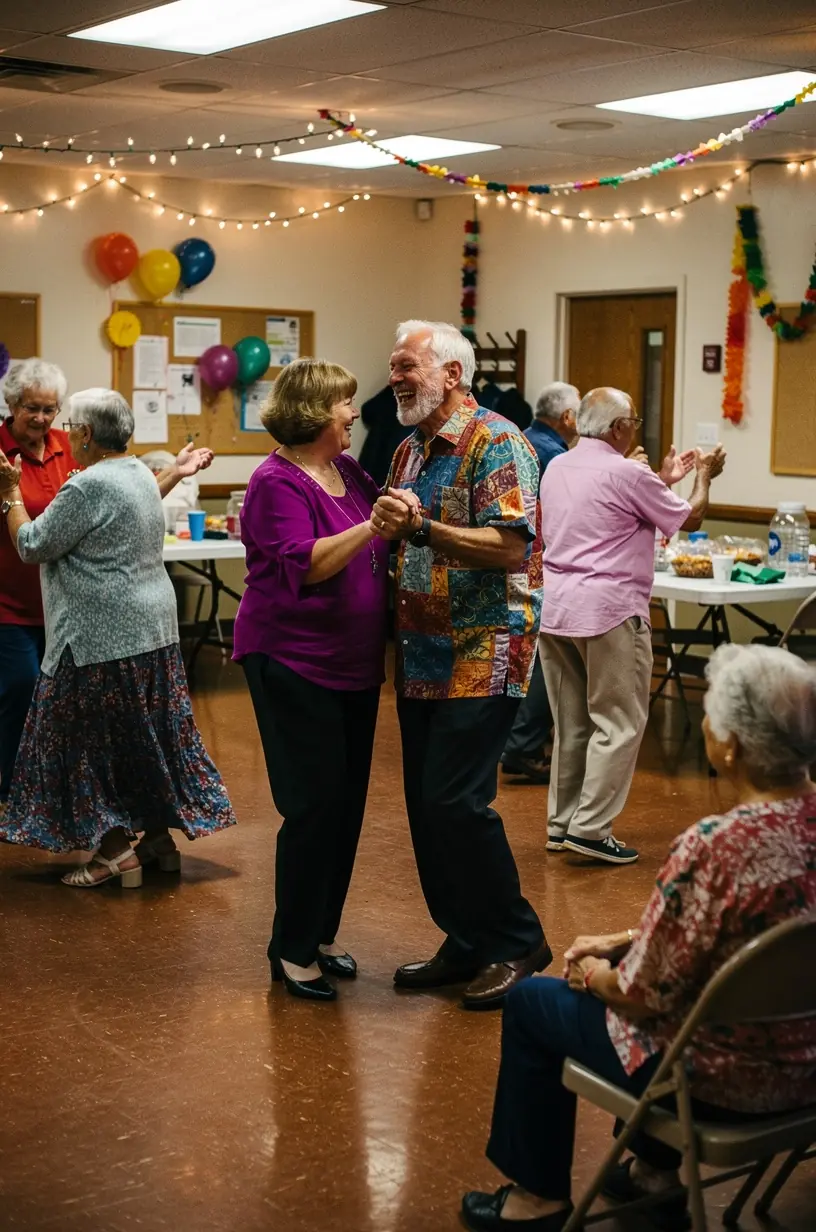
"Experts recommend that creating a safe space can enhance participation and enjoyment in physical activities among seniors."
Key Elements of a Safe Dance Environment
Creating a safe dance environment involves several essential elements:
- Proper Flooring: Dance studios should feature non-slip, shock-absorbent flooring to minimize the risk of slips and falls. According to research, wooden or specially designed dance floors can provide the best support.
- Adequate Lighting: Ensuring that the space is well-lit helps seniors navigate the area safely. Many users report that bright, even lighting reduces accidents and enhances visibility.
- Clear Paths: Keeping the dance area free from obstacles is crucial. Regular maintenance and organization can help prevent trip hazards, as experts recommend a clutter-free environment.
- Accessible Facilities: Consideration for accessibility features, such as handrails and seating areas, can make a significant difference. Facilities should be designed to cater to those with mobility challenges.
Class Structure and Instructor Training
The way dance classes are structured plays a vital role in ensuring safety:
- Warm-Up and Cool Down: Classes should always begin with a warm-up and conclude with a cool-down session to prevent injuries. This approach is widely supported by fitness professionals.
- Instructor Qualifications: Instructors should be trained in senior fitness and first aid. Research indicates that well-trained instructors can effectively tailor classes to meet the needs of older adults, enhancing both safety and enjoyment.
- Gradual Progression: Classes should introduce new movements gradually, allowing participants to develop confidence and skill. This typically takes time and patience, helping seniors avoid injury.
Community Engagement and Support
Fostering a sense of community can significantly impact participation rates:
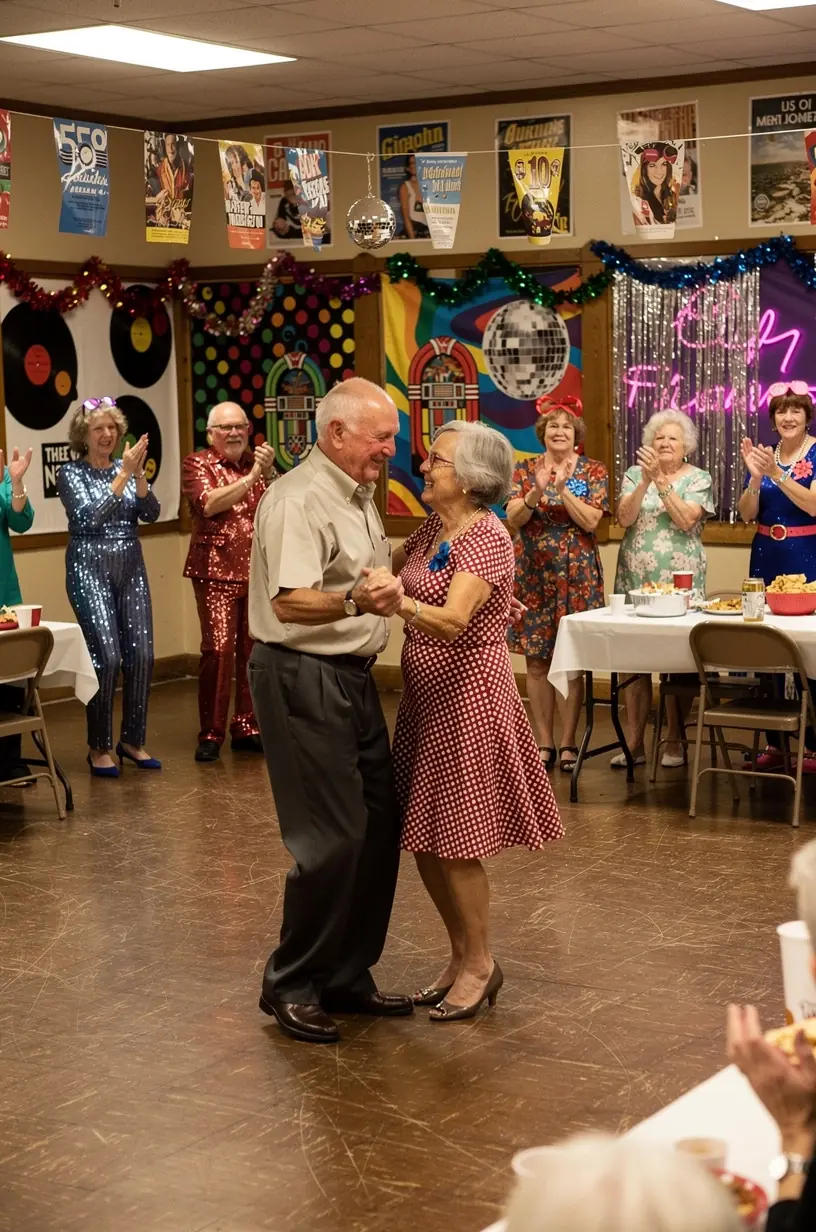
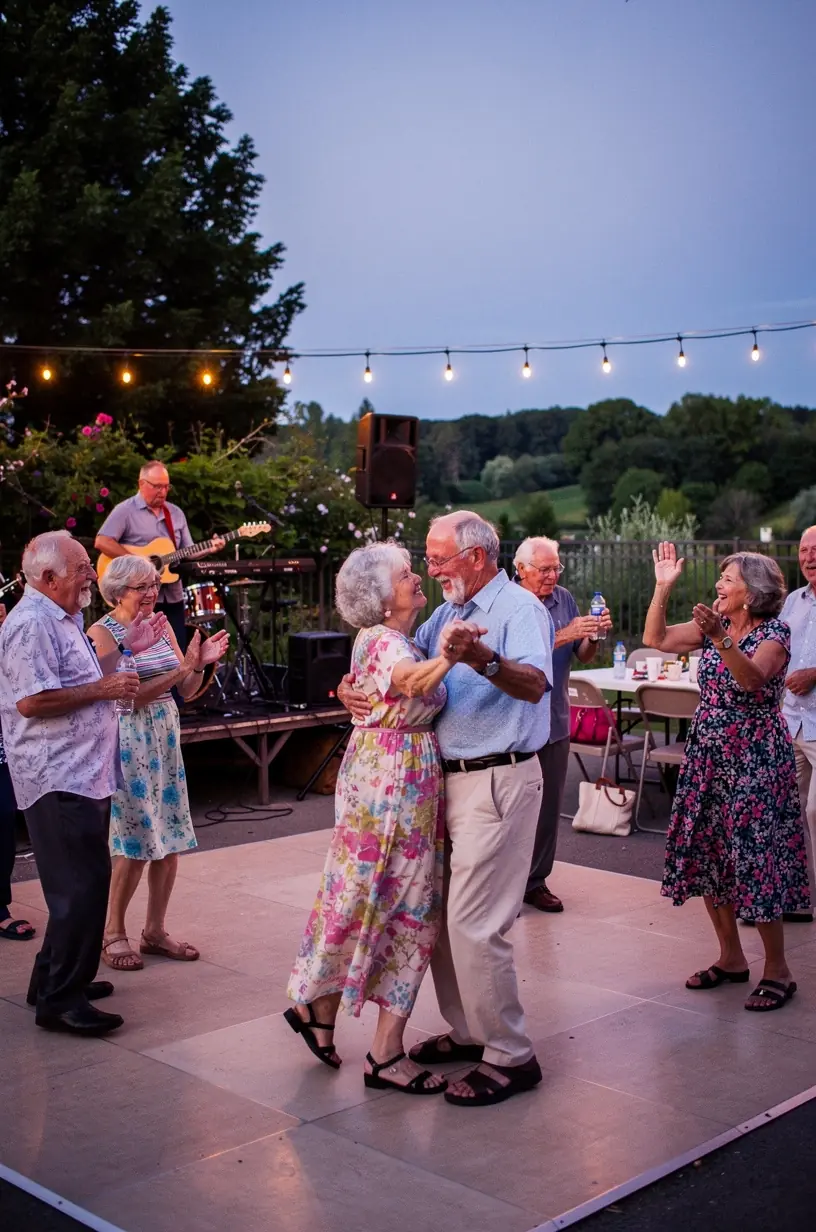
- Social Interaction: Weekly offline gatherings, such as social dance events, encourage seniors to engage with others. Studies show that social connections can lead to improved mental health and motivation.
- Feedback Mechanism: Creating an environment where participants can provide feedback on their experience can help instructors adapt classes to better meet their needs, thus promoting safety.
- Family Involvement: Encouraging family member participation can foster a supportive atmosphere and enhance safety through shared awareness of individual needs.
Conclusion
Creating a safe dance environment for seniors involves a multifaceted approach that includes proper facilities, qualified instructors, and community support. By prioritizing these aspects, dance studios can promote physical activity while ensuring the well-being of their participants. As more seniors engage in dance, many users report not only physical health benefits but also enhanced social connections and overall happiness.