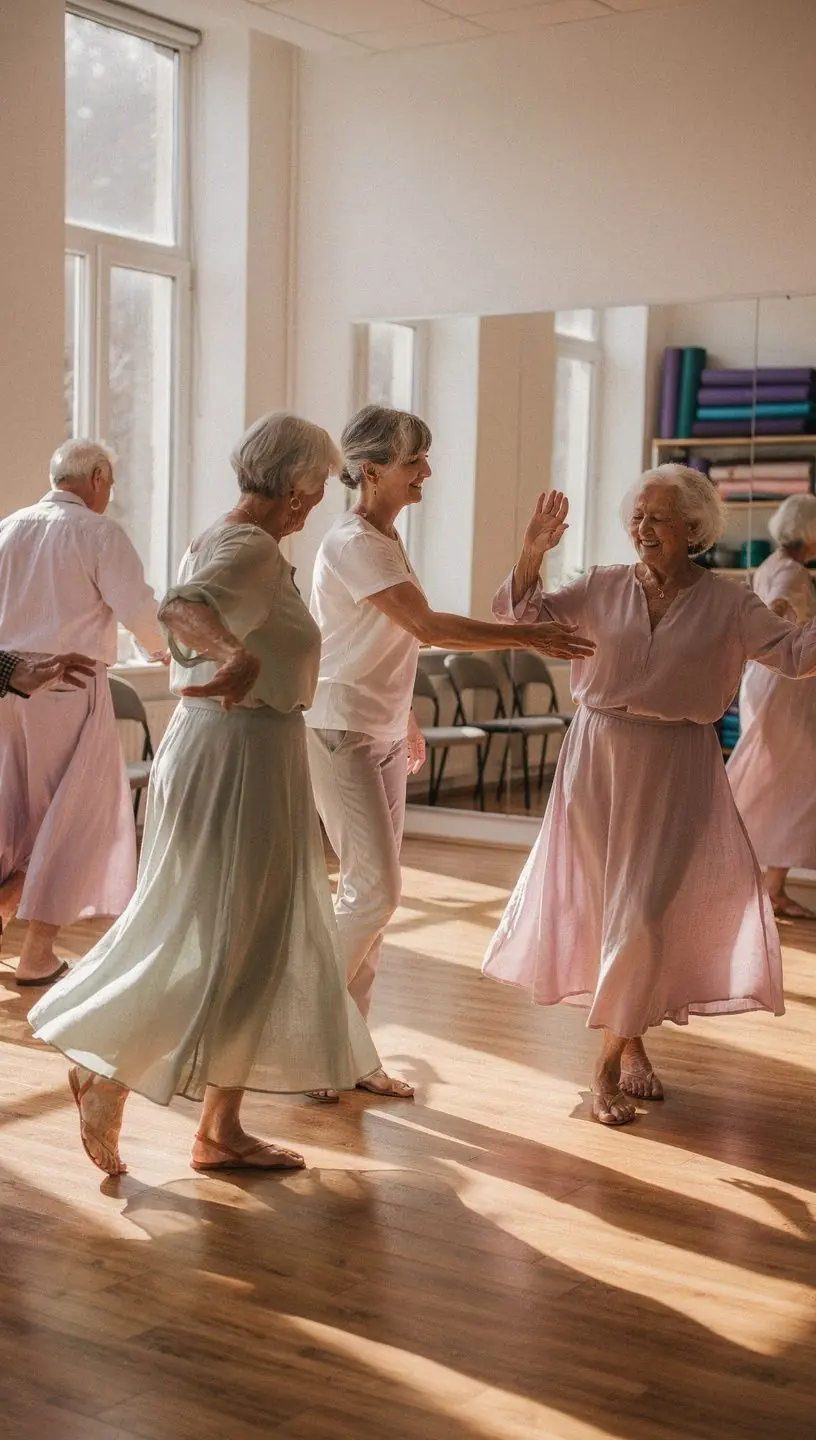
Understanding the Connection Between Dance and Cognitive Health
As we age, maintaining cognitive health becomes increasingly important. Engaging in activities that stimulate the mind is essential for promoting long-term well-being. One enjoyable and socially engaging way to achieve this is through dance. In this article, we will explore the connection between dance and cognitive health, shedding light on how this vibrant activity can support mental acuity.
The Cognitive Benefits of Dance
Research indicates that dance can have a positive impact on cognitive health, particularly in older adults. Studies show that engaging in dance activities is associated with improved memory, attention, and problem-solving skills. This is largely due to the multi-faceted nature of dance, which combines physical movement with cognitive engagement.
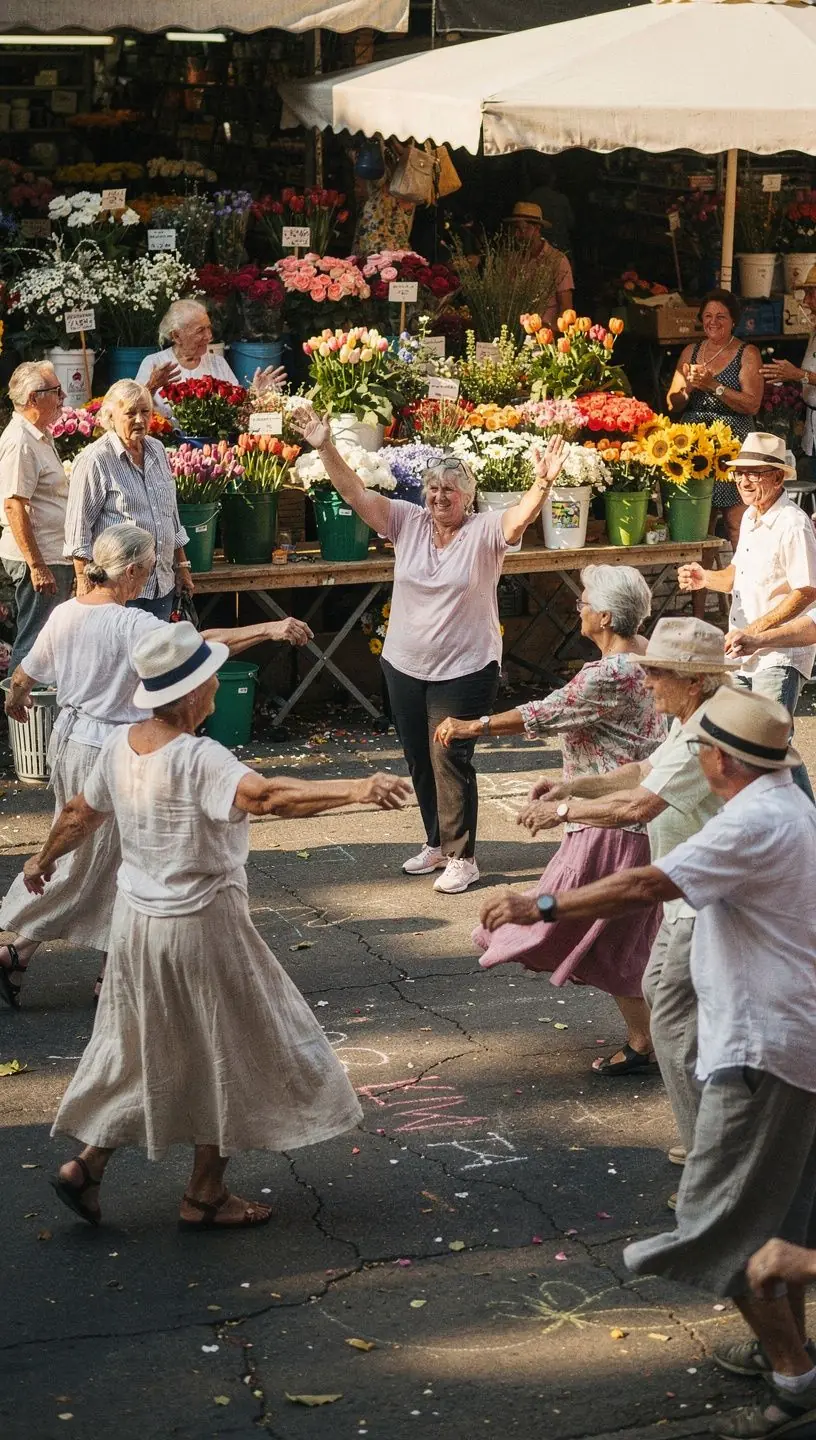
"Dancing involves complex motor skills, which can lead to increased neural connectivity in the brain," says Dr. Anne Smith, a leading researcher in geriatric health.
How Dance Stimulates the Brain
The principle behind the cognitive benefits of dance lies in the combination of physical activity and social interaction. Here’s how it works:
- Physical Activity: Dance is a form of exercise that increases blood flow to the brain, promoting the growth of new neurons. This is essential for maintaining cognitive functions.
- Cognitive Engagement: Learning dance routines challenges the brain, requiring memory recall and spatial awareness, which can help keep the mind sharp.
- Social Interaction: Participating in dance sessions often involves group settings, which can reduce feelings of isolation and depression, factors that are commonly linked to cognitive decline.
Realistic Expectations and Commitment
While the benefits of dance on cognitive health are promising, it’s important to set realistic expectations. Many experts suggest that regular participation in dance classes or social dance events can yield noticeable improvements over time. However, these effects typically manifest after consistent engagement, which may take several months to observe.
Participants should be prepared to invest time in learning different dance styles and techniques, which could involve a learning curve. Most importantly, staying committed to regular practice and participation is key to reaping the cognitive benefits.
Conclusion
Dancing is not just a form of expression; it is a powerful tool for enhancing cognitive health. By integrating dance into your lifestyle, you can promote mental agility while also enjoying social interactions. As you consider joining a local dance class or social gathering, remember that consistency and a positive mindset are essential components in this journey toward improved cognitive well-being.