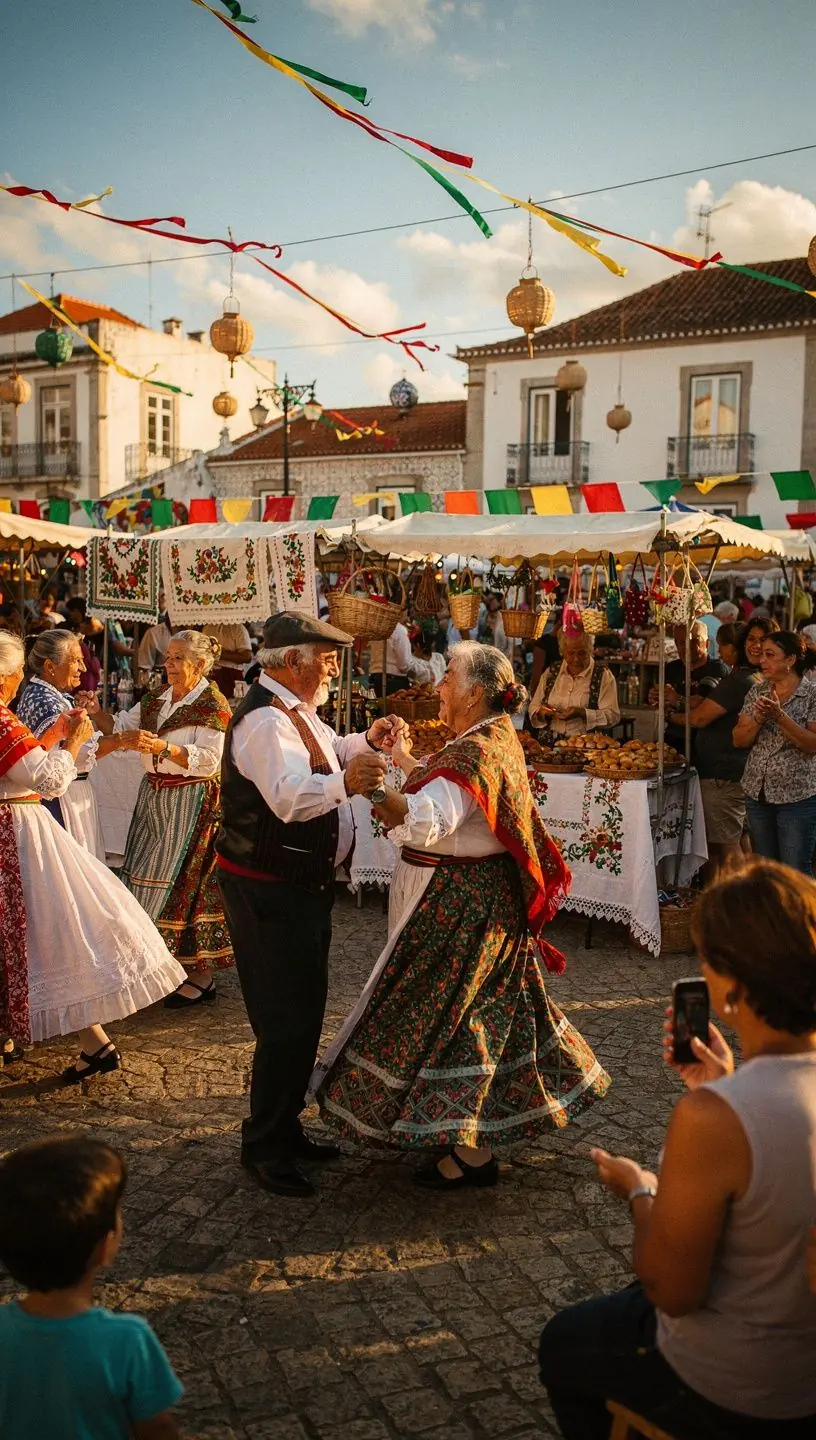
Exploring Different Dance Styles Suitable for Seniors
As we age, staying active becomes increasingly important for maintaining both physical and mental well-being. Dance is a delightful way to stay fit and socialize. This article explores various dance styles that are not only enjoyable but also suitable for seniors, offering insight into how these activities can enhance active aging.
Understanding the Benefits of Dance for Seniors
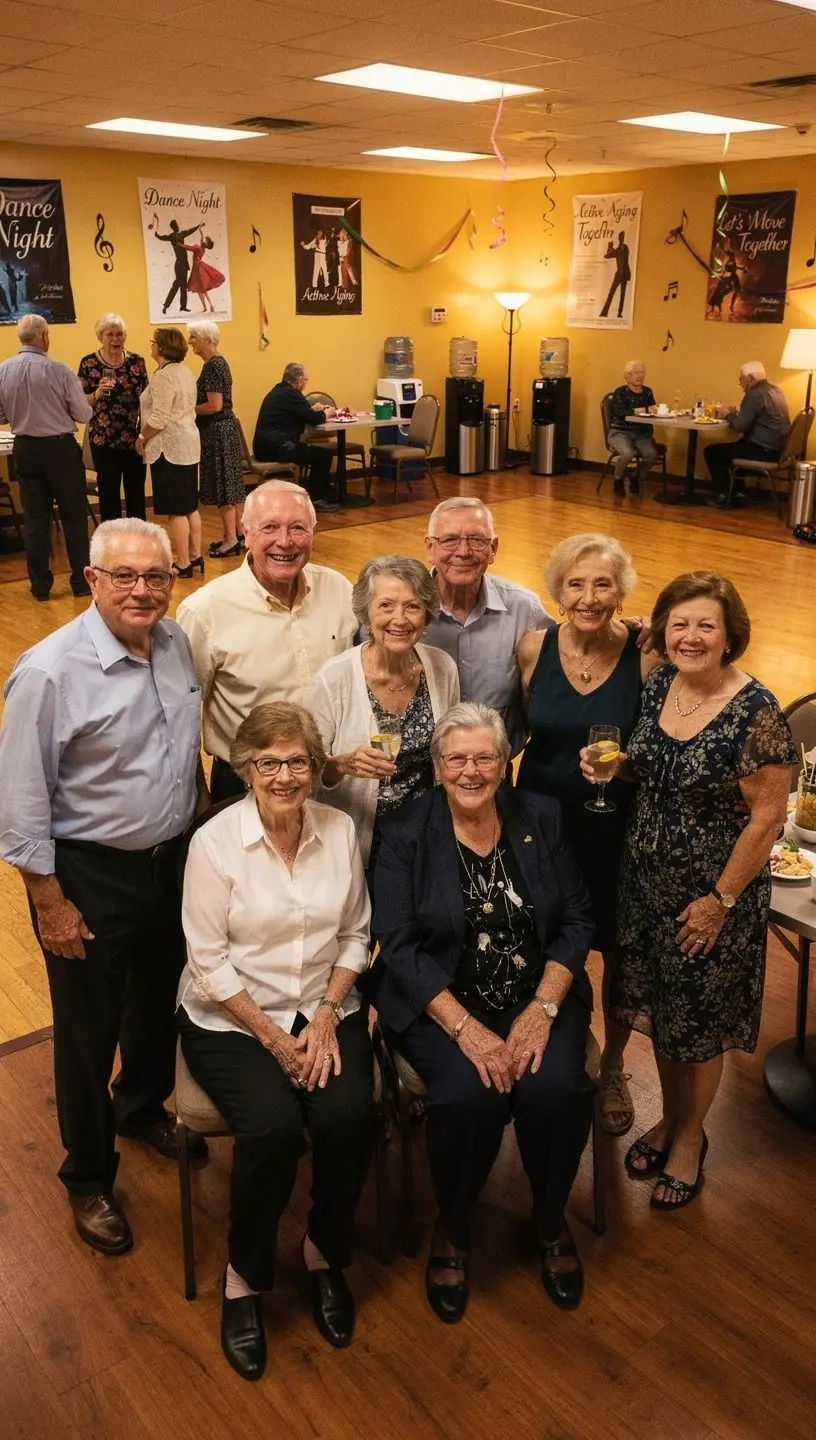
Engaging in dance can provide a multitude of benefits for seniors. According to research published in the Journal of Aging and Physical Activity, regular dance practice can improve balance, coordination, and even cognitive functions. Additionally, studies show that dance helps foster social connections, reducing feelings of isolation often experienced in later life.
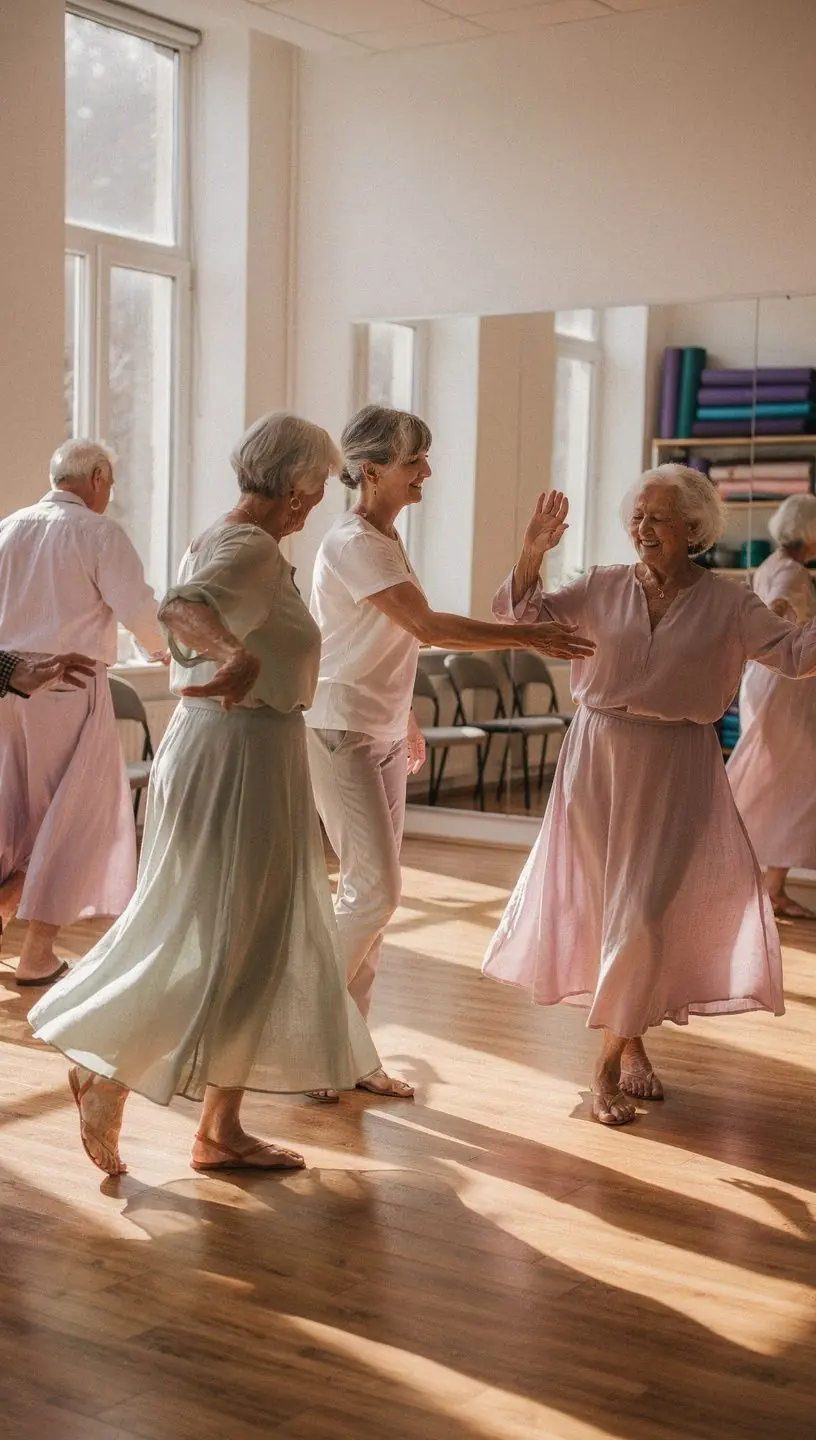
"Dance is not just an art form; it's a physical activity that can enhance overall well-being and foster a sense of community." - Aged Care Research Institute
Popular Dance Styles for Seniors
Below are some dance styles that are generally well-suited for seniors, taking into account their adaptability and social aspects:
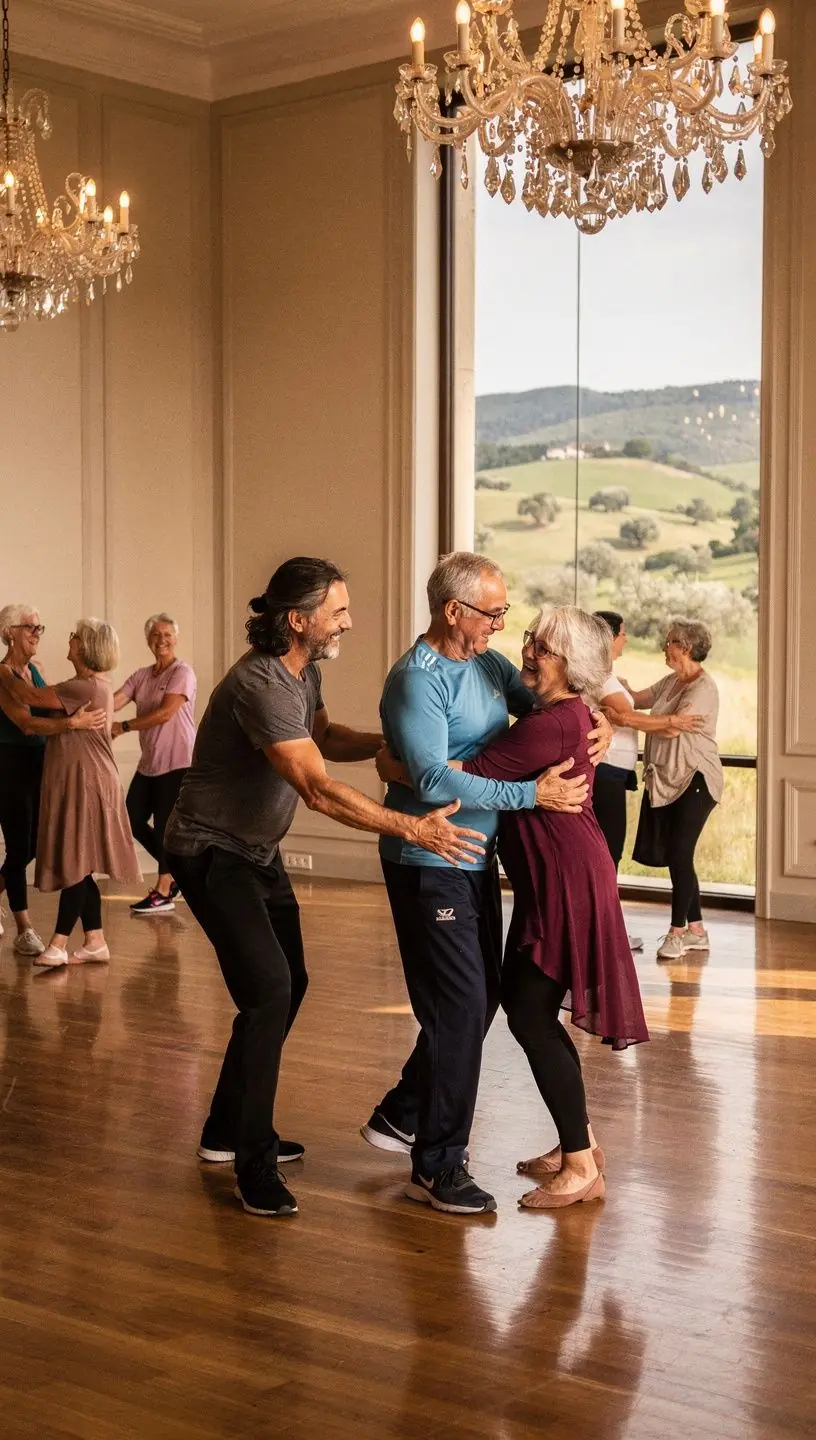
- Ballroom Dance: This style includes dances like the waltz, tango, and foxtrot. It typically promotes graceful movements and enhances social interaction. Many community centers offer classes tailored for seniors.
- Line Dancing: Often associated with country music, line dancing is typically low-impact and involves repetitive steps. It allows participants to dance in a group without the need for a partner, making it an accessible option.
- Salsa: Salsa dancing has a lively rhythm that encourages movement and engagement. Experts recommend starting with basic steps to build confidence before moving on to more complex patterns.
- Tap Dance: Tap is not only fun but also a great way to enhance rhythm and coordination. Many classes are designed for beginners, catering specifically to older adults.
How to Get Started
Starting with dance can be an exciting journey for seniors. Here are some steps to consider:
- Choose the Right Class: Look for classes specifically designed for seniors. These classes often emphasize safety and cater to varying levels of ability.
- Start Slow: It’s essential to listen to your body. Many users report that easing into a routine over several weeks helps prevent injury and fosters enjoyment.
- Stay Consistent: Regular practice is key. Ideally, aim for 1-2 sessions per week to see improvements in coordination and confidence.
Acknowledge Individual Limitations
It's necessary to recognize that not all dance styles may be suitable for every individual. Certain styles may require prior knowledge or physical capabilities that not everyone possesses. Consulting with a healthcare provider or a dance instructor can help identify what’s best suited for your abilities and goals.
Conclusion
Engaging in dance as a senior can significantly contribute to an active and fulfilling lifestyle. By exploring various styles and understanding the benefits, one can make informed decisions about which dance forms to pursue. Remember, the journey of learning and socializing through dance is as valuable as the physical benefits it brings. At our active aging coaching studios, we offer tailored programs and weekly offline social dance gatherings to help seniors thrive through movement and connection.
Learn More