Understanding the Importance of Social Interaction in Aging
As we age, the significance of social interaction becomes increasingly evident. Engaging with others not only enriches our lives but also plays a critical role in maintaining our mental and physical health. This article explores the vital role of social connections and offers insights into how active aging coaching studios can support these endeavors.
The Basics of Social Interaction
Social interaction is fundamental for human beings, regardless of age. According to research published in the Journal of Health and Social Behavior, individuals with strong social networks often experience better health outcomes, including lower rates of depression and increased longevity. Experts recommend that older adults aim to engage in social activities regularly to foster these connections.

"Social interaction can significantly enhance the quality of life for older adults, reducing feelings of isolation and loneliness."
The Impact of Social Interaction on Aging
Studies show that social engagement has numerous benefits for older adults, including:
- Improved Mental Health: Regular social interaction can reduce symptoms of anxiety and depression, often leading to better overall mental health.
- Enhanced Cognitive Function: Engaging in conversations and social activities can stimulate the brain, potentially delaying cognitive decline.
- Physical Health Benefits: Maintaining social ties is linked to better physical health, as it often encourages individuals to stay active and pursue healthier lifestyles.
How Active Aging Coaching Studios Foster Social Connections
Active aging coaching studios often implement programs designed to enhance social interaction among older adults. These programs typically include:
- Adaptation Programs: Tailored to meet the unique needs of older adults, these programs often focus on physical fitness while incorporating social components to promote interaction.
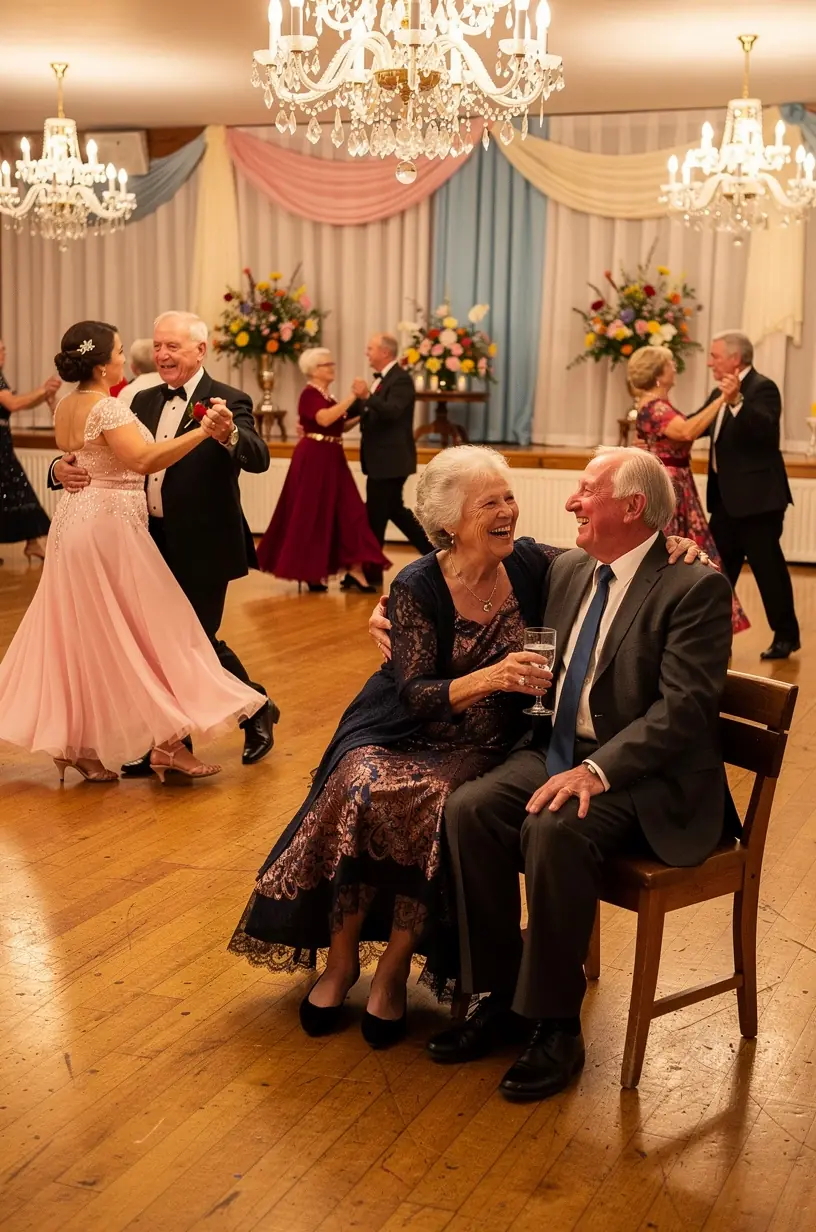
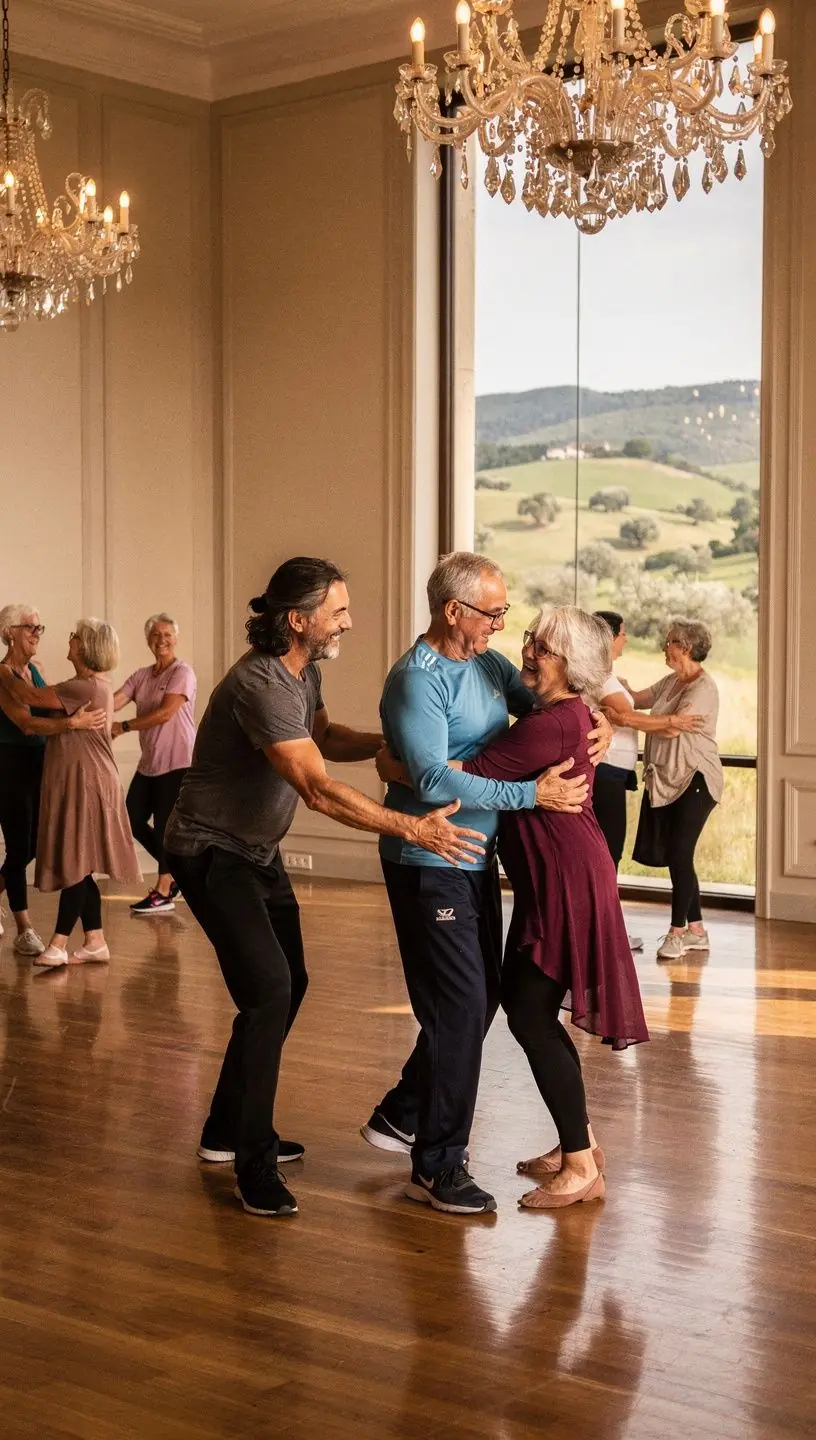
- Weekly Social Dance Gatherings: Dance is a fun and engaging way to bring people together. These gatherings not only provide a platform for physical activity but also foster friendships and a sense of community.
- Group Workshops: Workshops on various topics allow participants to share experiences and learn from one another, enhancing their social network.
Challenges and Considerations
While the benefits of social interaction are clear, it is important to acknowledge some limitations. Actively participating in social activities typically requires time and effort. For many older adults, mobility issues or health concerns can pose challenges when engaging in social gatherings. It's essential to choose activities that are suitable for individual health conditions and preferences.
Moreover, some individuals may feel apprehensive about joining new social groups. In these cases, gradual exposure to social environments, such as starting with small gatherings or one-on-one interactions, can be beneficial. Industry experts suggest that initiating small conversations can help ease the transition into larger social settings.
Conclusion
In summary, social interaction plays a crucial role in the aging process. It contributes significantly to mental, cognitive, and physical well-being. Active aging coaching studios provide valuable support in facilitating these connections through tailored programs and social events. By prioritizing social engagement, older adults may improve their quality of life, foster lasting relationships, and maintain a sense of belonging.
Learn More