Exploring the Cultural Aspects of Dance in Aging Communities
Dance is not only a form of expression but also a powerful tool for fostering community and enhancing well-being among aging populations. This article delves into the cultural significance of dance in promoting active aging, supported by research and expert insights.
The Role of Dance in Aging Communities
According to studies, engaging in dance can significantly benefit mental and physical health among older adults. Dance programs typically focus on social interaction, cognitive stimulation, and physical activity, which are essential for maintaining a vibrant lifestyle as one ages. Experts recommend that dance can help improve balance and mobility, which are crucial for reducing the risk of falls, a common concern among older adults.
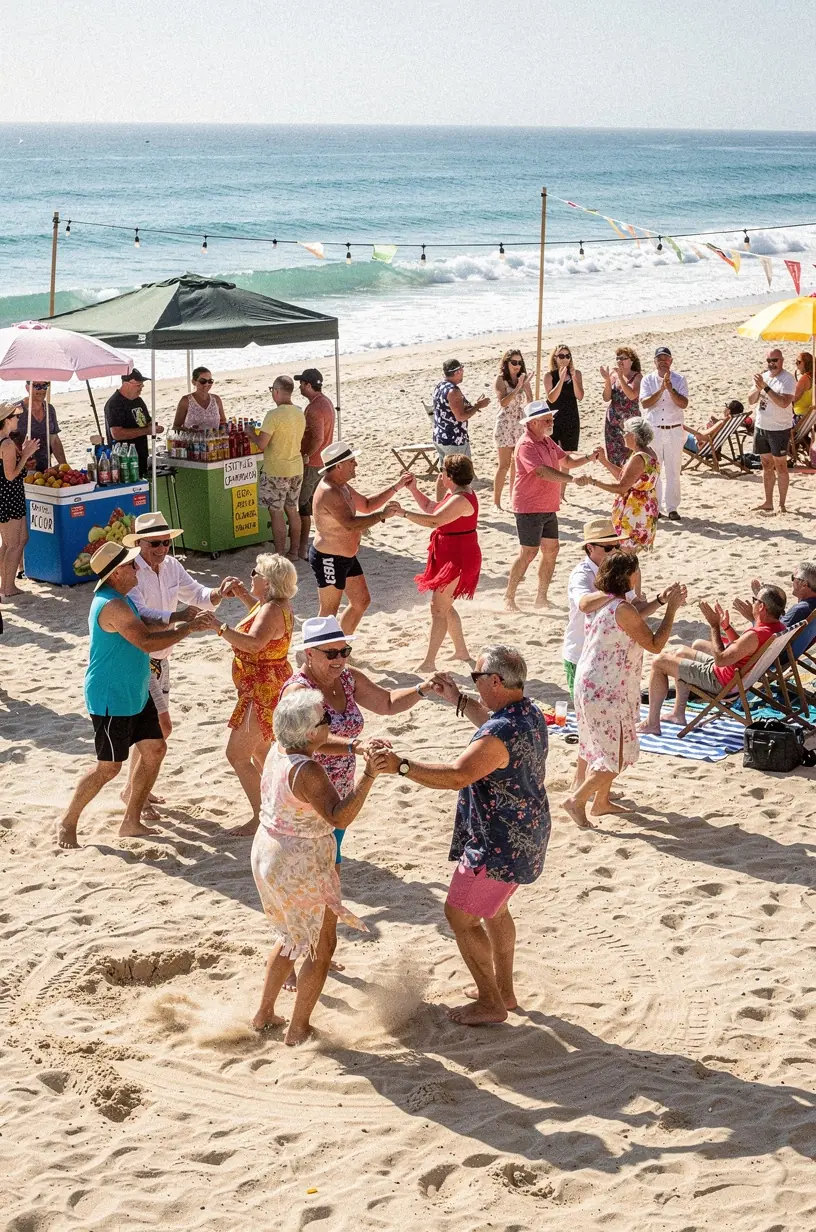
"Dance serves as a cultural connector, helping individuals build relationships and engage in their communities, which is vital for emotional health." - Dr. Maria Santos, Gerontologist
Cultural Significance of Dance
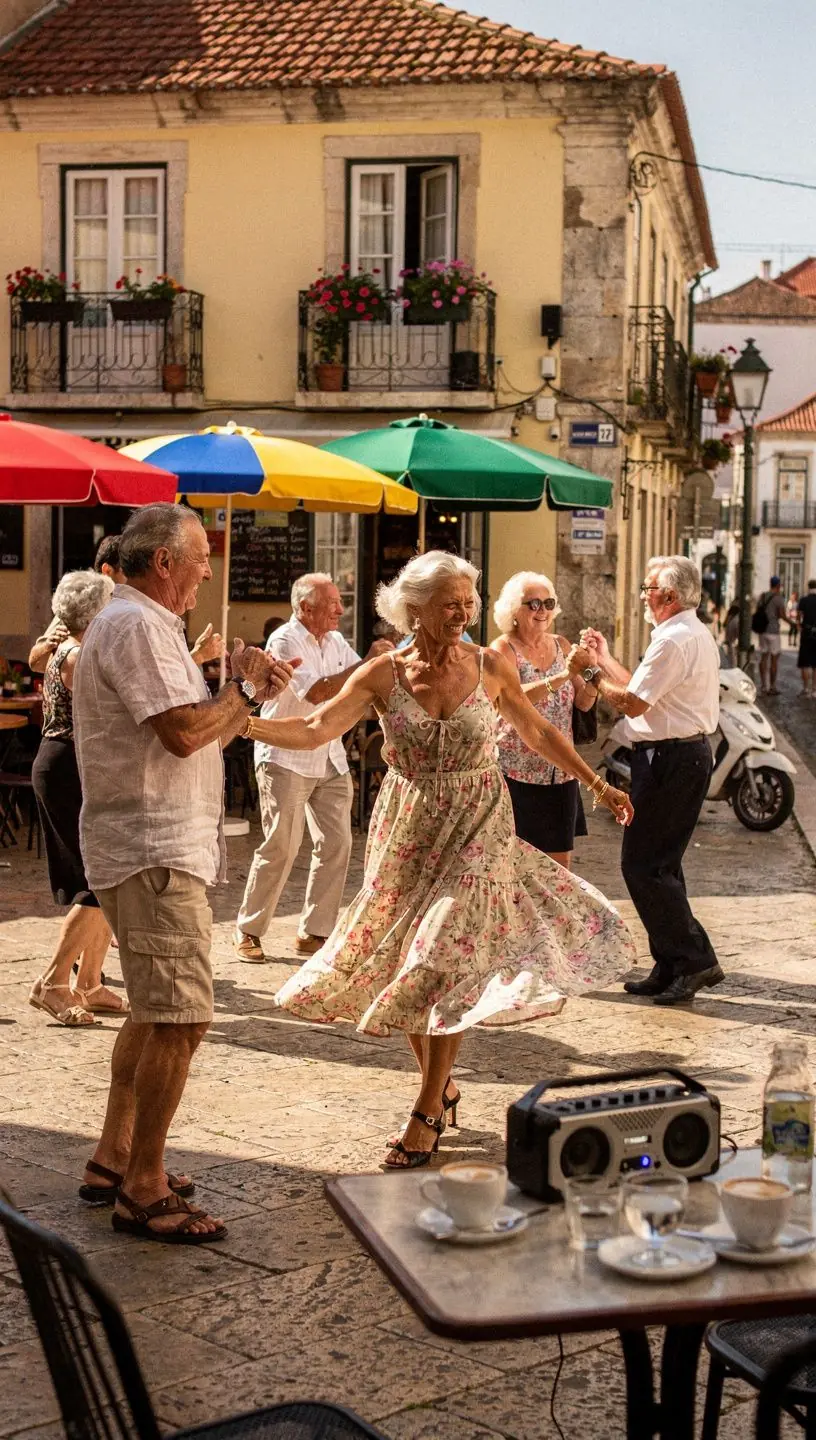
Dance has deep cultural roots and serves as a means of storytelling and tradition. In aging communities across Portugal, traditional dance forms such as Fado and Folklore not only preserve cultural heritage but also promote social bonding. Many participants report that being part of a dance gathering leads to enhanced feelings of belonging and community cohesion.
Benefits of Dance in Cultural Context
- Social Interaction: Dance promotes connections and friendships, which can alleviate feelings of loneliness and isolation that many older adults face.
- Cognitive Engagement: Learning new dance steps and routines can stimulate the brain, which may help in maintaining cognitive functions.
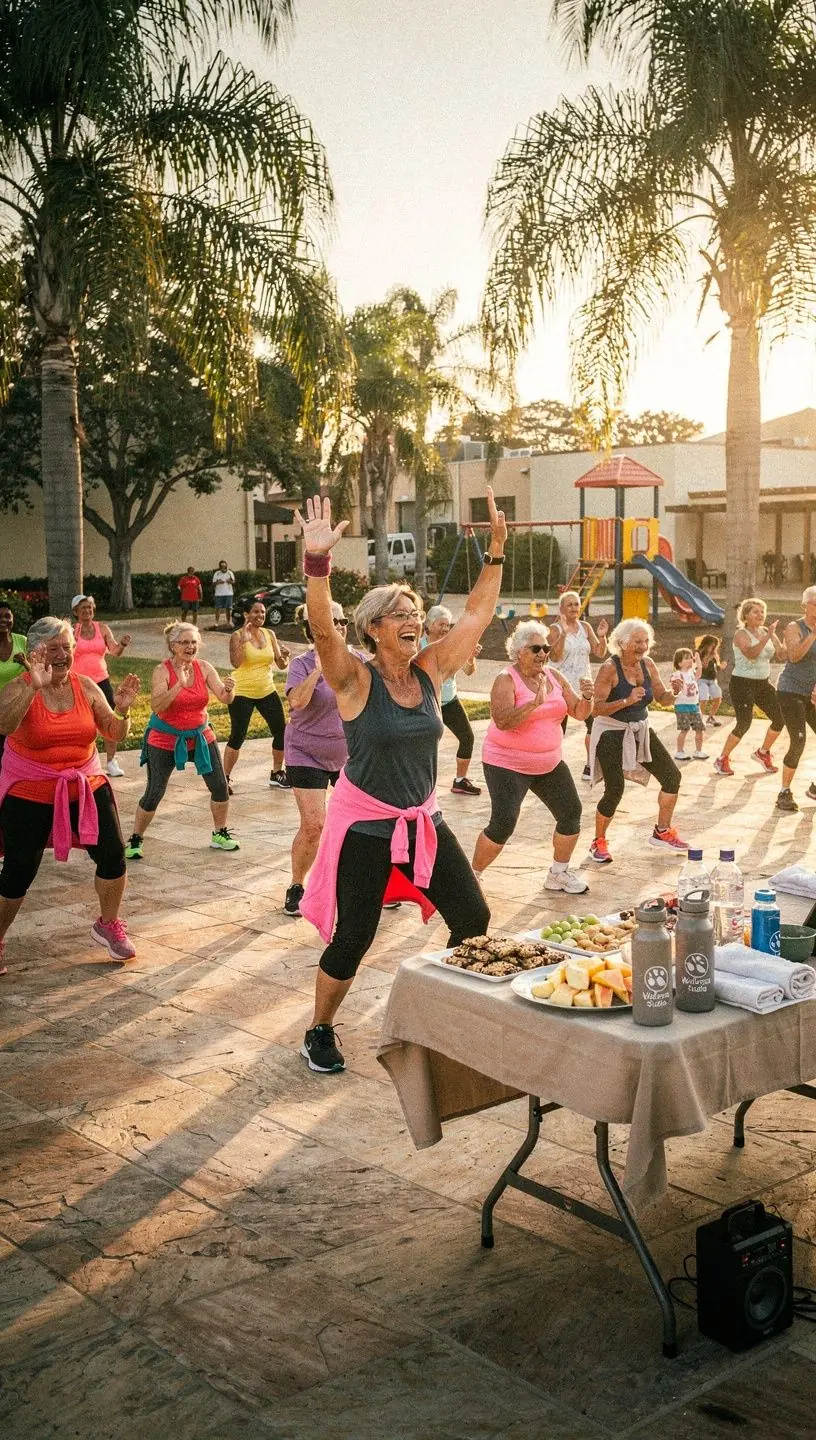
- Physical Fitness: Regular participation in dance can lead to improved posture, strength, and flexibility, contributing to overall health.
Implementing Dance Programs in Aging Communities
Creating successful dance programs in aging communities requires understanding the specific needs and preferences of participants. Typically, these programs involve:
- Assessing Interest: Engage potential participants to determine their musical and dance preferences, which can guide program development.
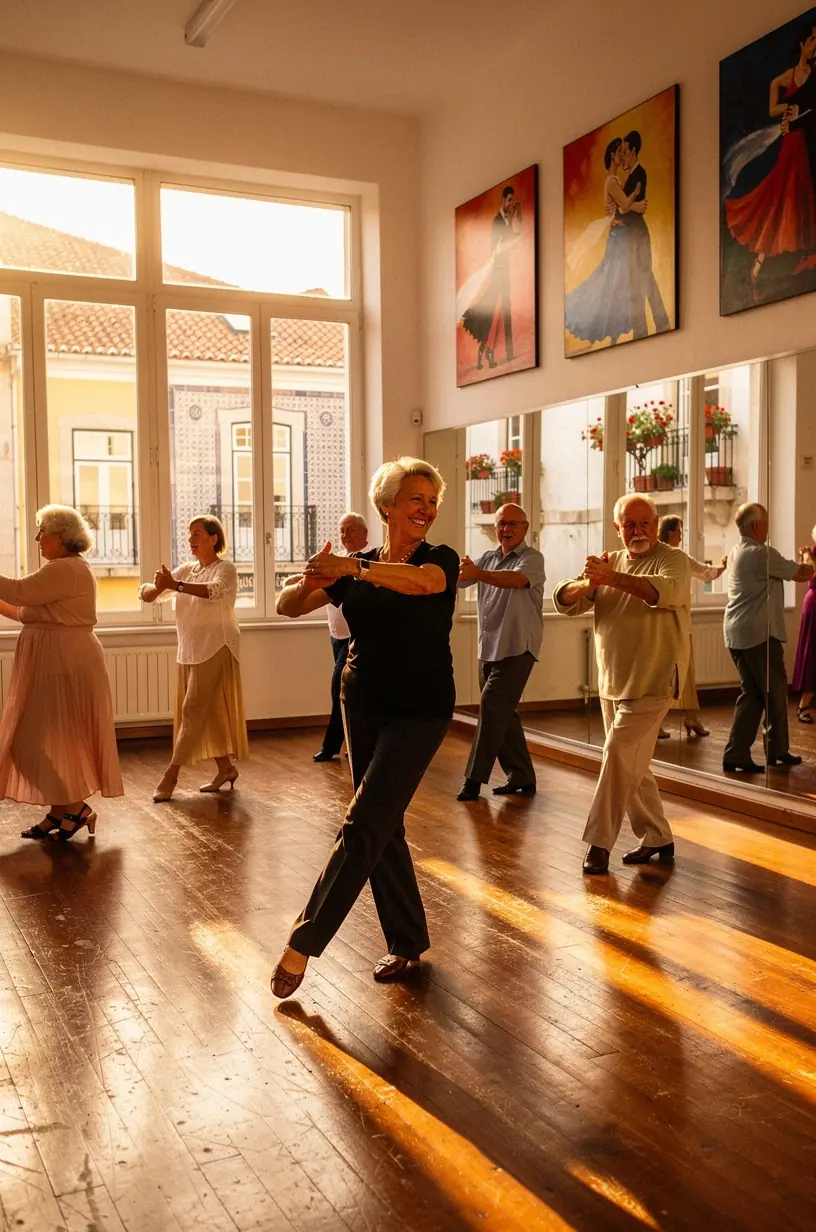
- Offering Diverse Styles: Incorporate various dance styles to appeal to a broader audience, from ballroom to traditional folk dances.
- Encouraging Inclusivity: Ensure programs accommodate varying physical abilities and provide modifications to make dance accessible for everyone.
Conclusion
In summary, dance plays a crucial role in enhancing the quality of life for aging communities by fostering cultural connections, promoting physical health, and encouraging socialization. While establishing and participating in dance programs involves commitment and effort, the benefits often outweigh the challenges. Communities that embrace dance as part of their aging programs can create vibrant, connected environments where individuals feel valued and engaged.