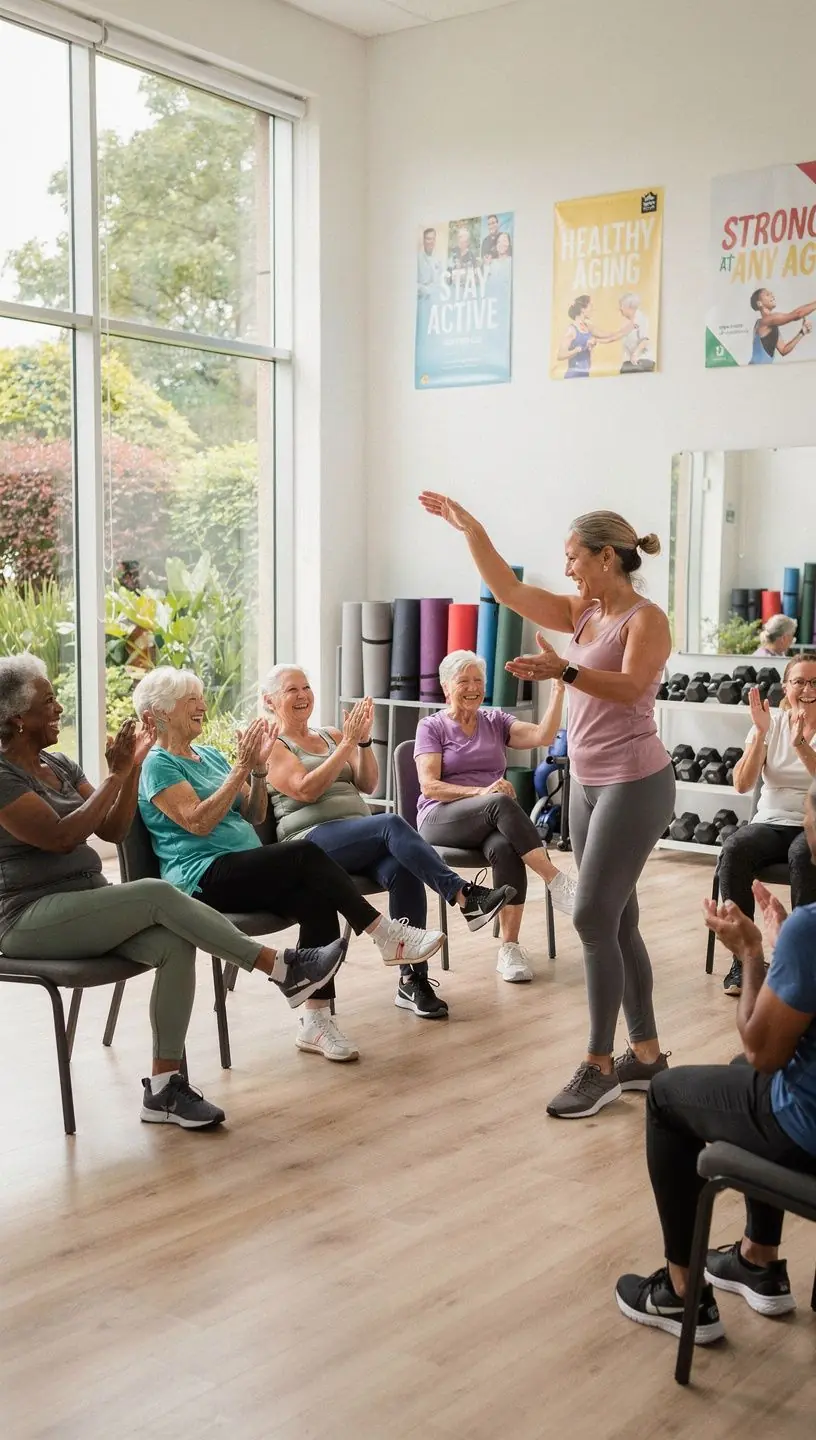
Understanding the Benefits of Active Aging Programs
As we age, maintaining an active and engaging lifestyle becomes increasingly important. This article explores the various benefits that active aging programs offer, particularly in the context of adaptation programs and social dance gatherings.
Understanding the Basics
Active aging programs are designed to promote the health and well-being of older adults through structured activities. According to research, these programs can significantly enhance physical fitness, cognitive function, and emotional well-being among seniors. In many cases, engaging in regular physical activity is associated with a reduced risk of chronic diseases and improved quality of life.

"Regular participation in active aging programs can lead to a 30% improvement in physical fitness levels among older adults." - National Institute on Aging
Key Benefits of Active Aging Programs
- Physical Health: Engaging in active aging programs can help maintain mobility, balance, and strength, which are crucial for preventing falls. Studies show that seniors who participate in regular exercise programs may experience a decline in fall-related injuries by up to 40%.
- Cognitive Function: Many experts recommend incorporating activities that challenge the mind, such as dance or group exercises, to enhance cognitive health. Research suggests that social interaction during these activities can improve memory and brain health.
- Social Engagement: Programs that focus on social dance gatherings foster community and combat loneliness. Many participants report feeling more connected and engaged, which can lead to improved mental health outcomes.
How Active Aging Programs Work
The key to the success of active aging programs lies in their structure and approach. Typically, these programs involve:
- **Regular Participation:** Most programs recommend attending sessions 2-3 times a week for optimal results, with improvements often noticeable within 3-6 months.
- **Adaptation and Progression:** Activities are tailored to suit various fitness levels, ensuring that participants can gradually increase their involvement without risking injury.
- **Holistic Approach:** Many active aging programs incorporate not only physical activity but also nutrition and mental wellness components, creating a comprehensive framework for healthy aging.
Challenges and Considerations
While the benefits are significant, it is important to acknowledge some limitations associated with active aging programs:
- **Time Commitment:** Participants should be prepared to invest time in their activities, as progress typically requires consistent effort and engagement.
- **Learning Curve:** Some individuals might find certain activities initially challenging. However, with dedication and support from instructors, most can become proficient over time.
- **Varied Effectiveness:** Not all programs may suit every individual. It is essential to choose a program that aligns with personal interests and physical capabilities for the best experience.
Conclusion
Active aging programs hold the potential to significantly enhance the quality of life for older adults. By fostering physical health, cognitive engagement, and social interaction, these programs can help individuals lead vibrant, meaningful lives well into their later years. For those considering participation, it is essential to set realistic expectations and commit to the process to reap the full benefits.
Learn More