Adapting Dance Styles for Seniors with Mobility Challenges
Dance can be a joyful and fulfilling activity for seniors, but mobility challenges can make it difficult. This article explores how to adapt dance styles for seniors, ensuring they can participate and enjoy the benefits of movement and social engagement.
Understanding the Basics of Dance Adaptation
Adapting dance styles for seniors with mobility challenges typically involves considering their physical limitations and preferences. According to research, dance not only improves physical health but also enhances mental well-being, making it a valuable activity for seniors. Experts recommend tailoring dance classes to accommodate various mobility levels, focusing on accessibility and comfort.
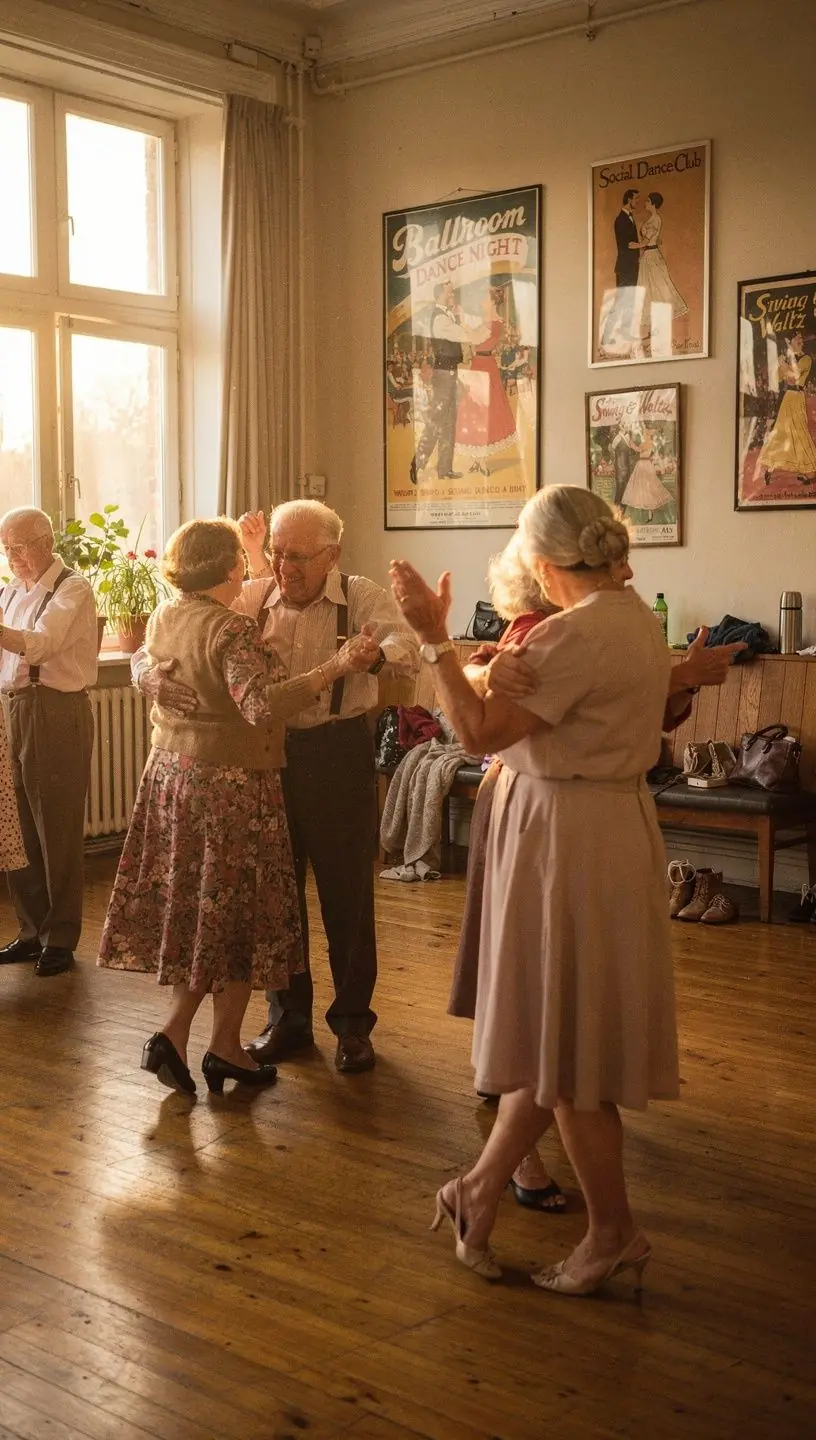
"Dance has the potential to enhance quality of life, even for those with mobility impairments." - Dance Therapy Journal
Principles of Adaptation
The principle behind adapting dance styles is to create an inclusive environment where seniors can express themselves freely. Here are some key considerations:
- Modify Movements: Simplify dance steps to reduce complexity, focusing on basic rhythms and movements that can be performed while sitting or using support.
- Incorporate Props: Using props like chairs and handrails can provide stability and enhance the experience, allowing participants to feel secure while dancing.
- Emphasize Social Interaction: Encourage group participation, as social dancing can foster connections among participants, which is vital for mental health.
Practical Application of Adapted Dance Styles
Implementing adapted dance styles involves strategic planning and understanding the needs of participants. The following steps can be effective:
- Assess Individual Abilities: Conduct an initial evaluation of each dancer's mobility, strength, and comfort level to tailor the experience accordingly.
- Design Inclusive Classes: Develop dance classes that include a variety of styles, allowing participants to choose what resonates with them while ensuring modifications are available.
- Provide Ongoing Support: Instructors should be trained to offer assistance and modifications as needed, fostering a supportive atmosphere that encourages confidence and enjoyment.
Conclusion
Adapting dance styles for seniors with mobility challenges can be a rewarding endeavor that enhances their physical and emotional well-being. By understanding the principles of adaptation and applying them thoughtfully, dance studios can create welcoming environments that promote active aging. While it requires commitment and creativity, the joy of movement and social connection is often well worth the effort.