Exploring the Social Benefits of Community Dance Gatherings
Community dance gatherings offer more than just a chance to move and groove; they can significantly enhance social connections and improve overall well-being. This article explores the multifaceted social benefits of engaging in such gatherings, particularly for active aging individuals in Portugal.
Understanding the Basics of Community Dance
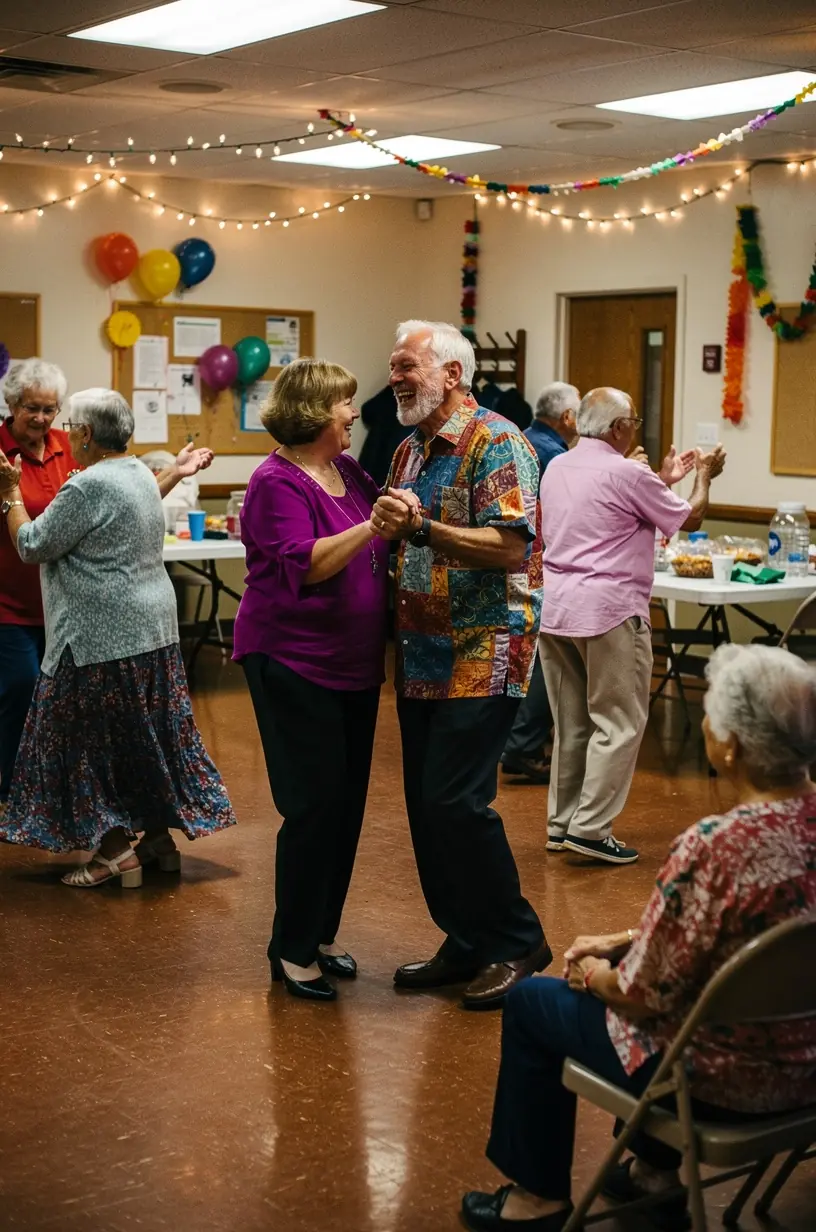
Community dance refers to social dance activities where individuals come together to learn and engage in various styles of dance, often in a supportive environment. According to research conducted by the National Institute on Aging, participating in group activities like dance can foster social interactions, which are crucial for emotional health as we age. The principle behind this is simple: engaging with others can stimulate feelings of belonging and reduce isolation.
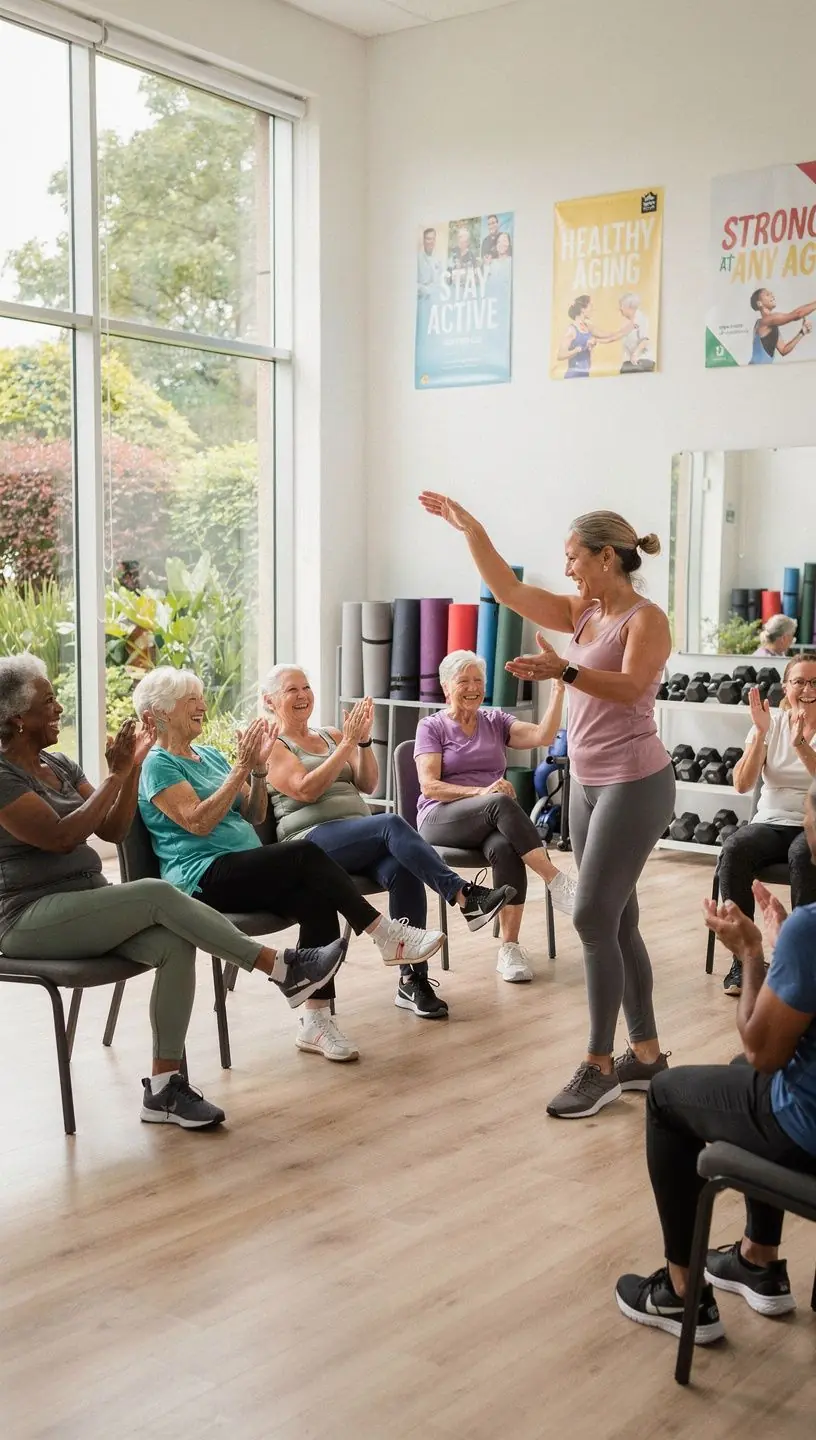
"Social dance gatherings can enhance social networks and improve mental well-being, as indicated by several studies in gerontology."
The Social Benefits of Dance Gatherings
Participation in community dance gatherings can yield various social benefits, including:
- Enhanced Social Interaction: Regular attendance can help forge new friendships and strengthen existing ones. Studies show that individuals who engage in social dance often report feeling more connected to their community.
- Increased Sense of Belonging: Many users indicate that being part of a dance group provides them with a sense of identity and purpose, which is vital for emotional health.
- Improved Mental Health: Engaging in dance can alleviate feelings of loneliness and depression, as social connections typically promote better mental health outcomes.
How Community Dance Works
The methodology of community dance gatherings is rooted in both physical and emotional engagement. Here's how it typically unfolds:
- Structured Learning: Participants often learn dance routines in an organized manner, which can include professional instruction. This structured approach provides a reliable framework for improvement.
- Social Engagement: The social aspect is emphasized through group dances, pairs, and collaborative activities, allowing individuals to interact more freely.
- Consistent Attendance: Regular participation—ideally weekly—can strengthen relationships and build a supportive community atmosphere.
Challenges and Considerations
While community dance gatherings offer numerous benefits, it is important to acknowledge some challenges:
- Many participants may need time to acclimate to the social dynamics, which typically requires a few sessions to feel comfortable.
- Physical limitations or health conditions may hinder participation, making it essential to adapt activities to suit individual needs.
- Consistency is key; individuals may experience better outcomes if they commit to attending regularly.
Conclusion: The Power of Dance in Community
Community dance gatherings serve as a powerful tool for enhancing social connections and improving mental and emotional health among aging individuals. By participating in these activities, individuals can experience a range of benefits that contribute to their overall well-being. If you’re considering joining a community dance gathering, remember that while it may take a few sessions to adapt, the potential for building lasting friendships and enhancing your social life is well worth the effort.