How Dance Improves Mobility and Balance
As we age, maintaining mobility and balance becomes increasingly important for overall health and quality of life. Engaging in dance offers a unique and enjoyable way to enhance these abilities. This article explores how dance can improve mobility and balance, supported by research and expert insights.
Understanding the Benefits of Dance
Research indicates that physical activities, including dance, can significantly improve balance and mobility in older adults. According to a study published in the Journal of Aging and Physical Activity, participating in dance programs can result in enhanced proprioception, which is the body's ability to sense its position in space. This improvement is crucial for preventing falls and maintaining independence.
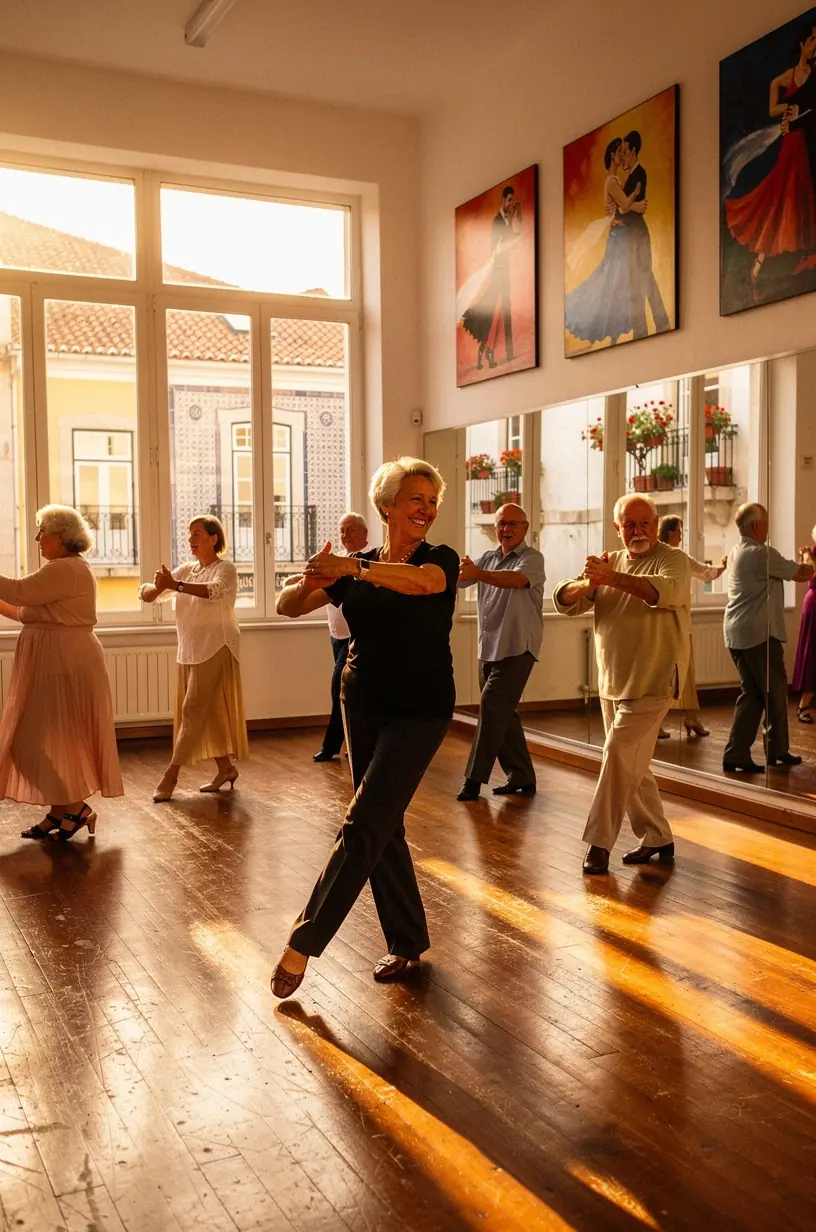
"Regular participation in dance activities has been shown to improve balance and mobility in older adults, making it a valuable addition to active aging initiatives." - Dance Research Journal
How Dance Improves Mobility and Balance
The effectiveness of dance in improving mobility and balance can be attributed to several factors:
- Rhythm and Coordination: Dance requires coordination of movements to the rhythm of music, which helps to enhance motor skills and body awareness.
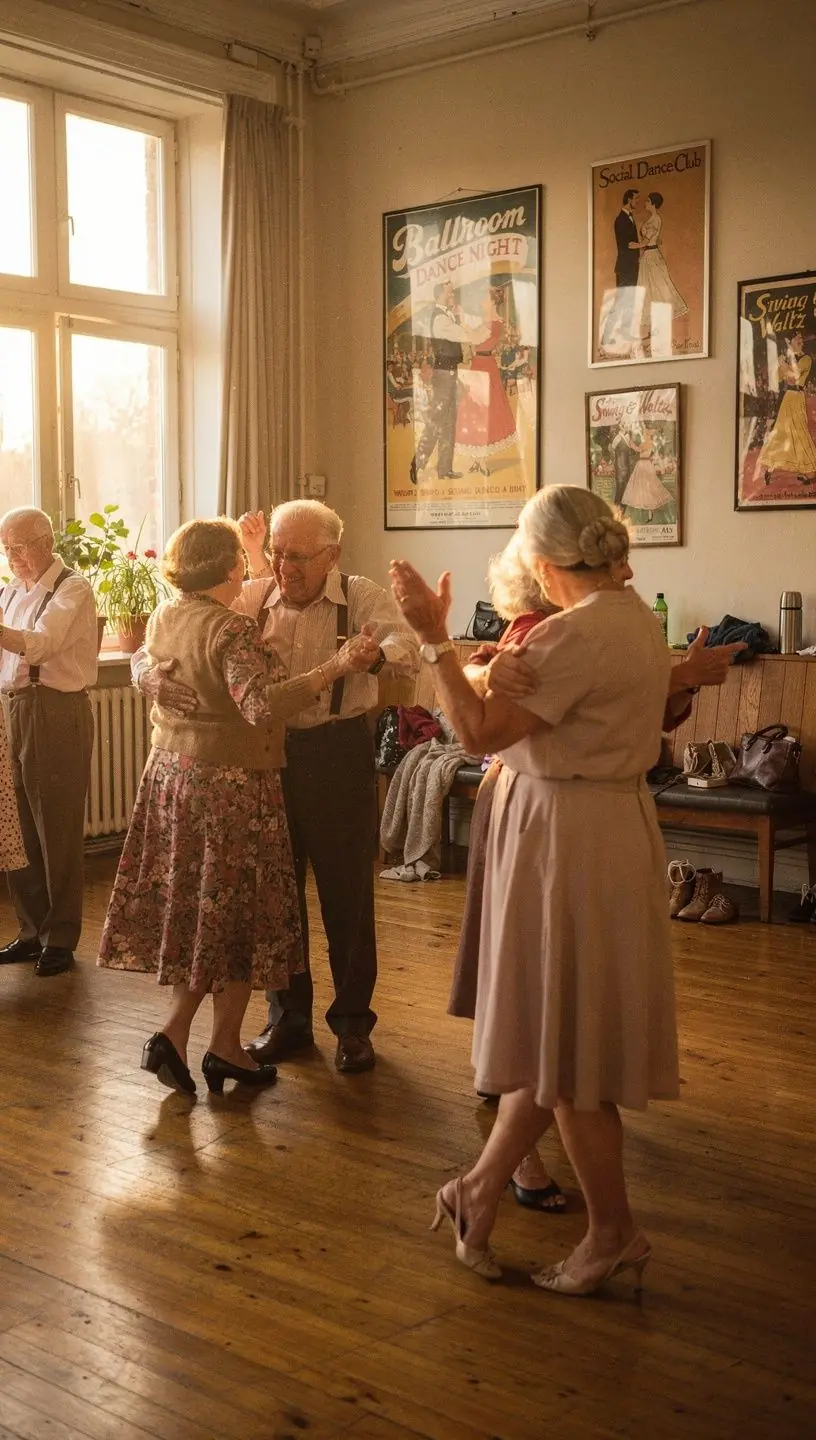
- Variety of Movements: Different dance styles involve a range of movements, promoting flexibility and strength. Styles such as ballroom, salsa, and line dancing often incorporate turns, twists, and weight shifts that challenge the body's balance.
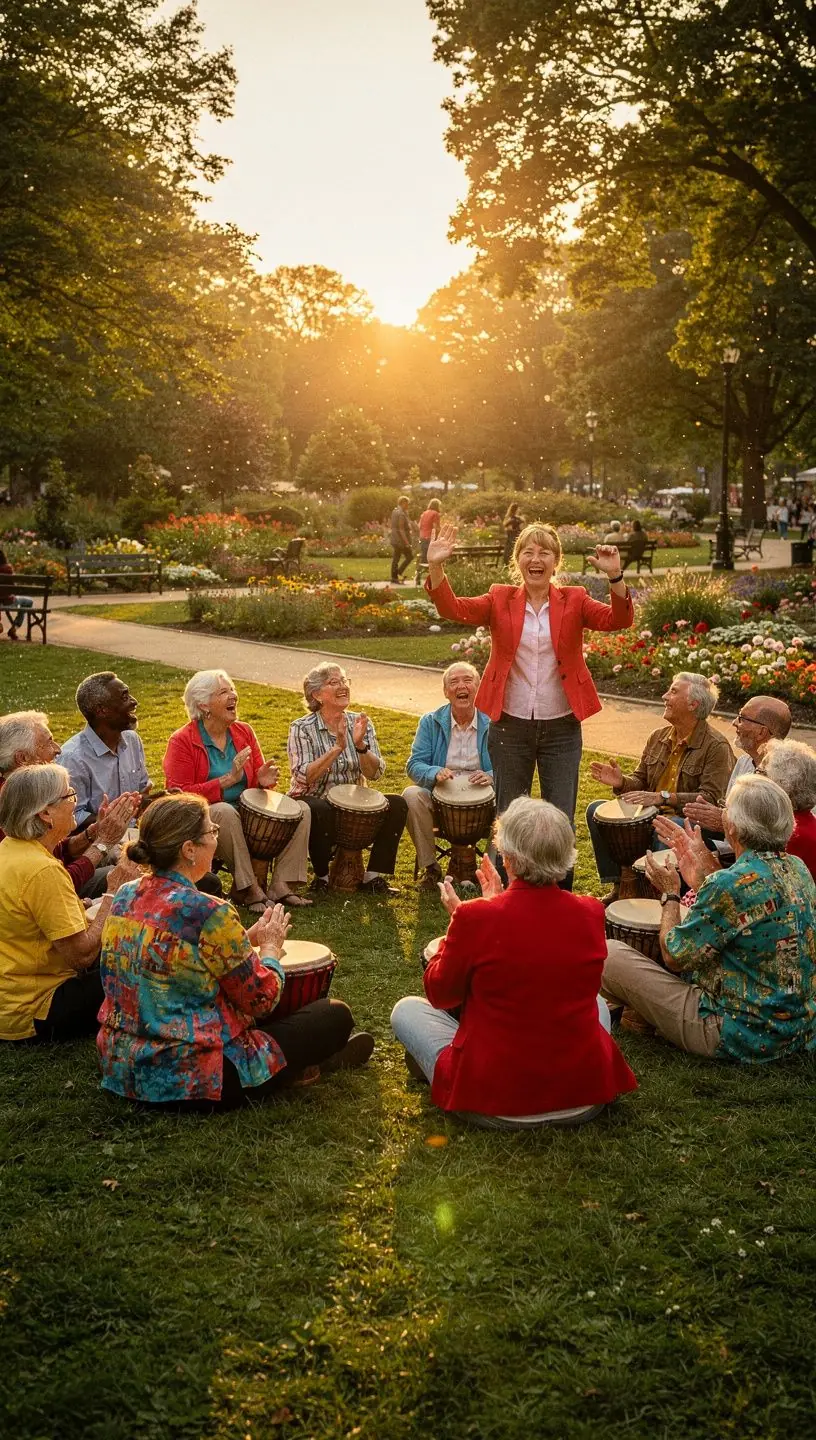
- Social Interaction: Dance classes typically foster social engagement. This interaction can motivate participants to commit to regular practice, which is essential for achieving improvements over time.
Practical Application in Active Aging Programs
For older adults interested in enhancing their mobility and balance through dance, here are some practical steps to consider:
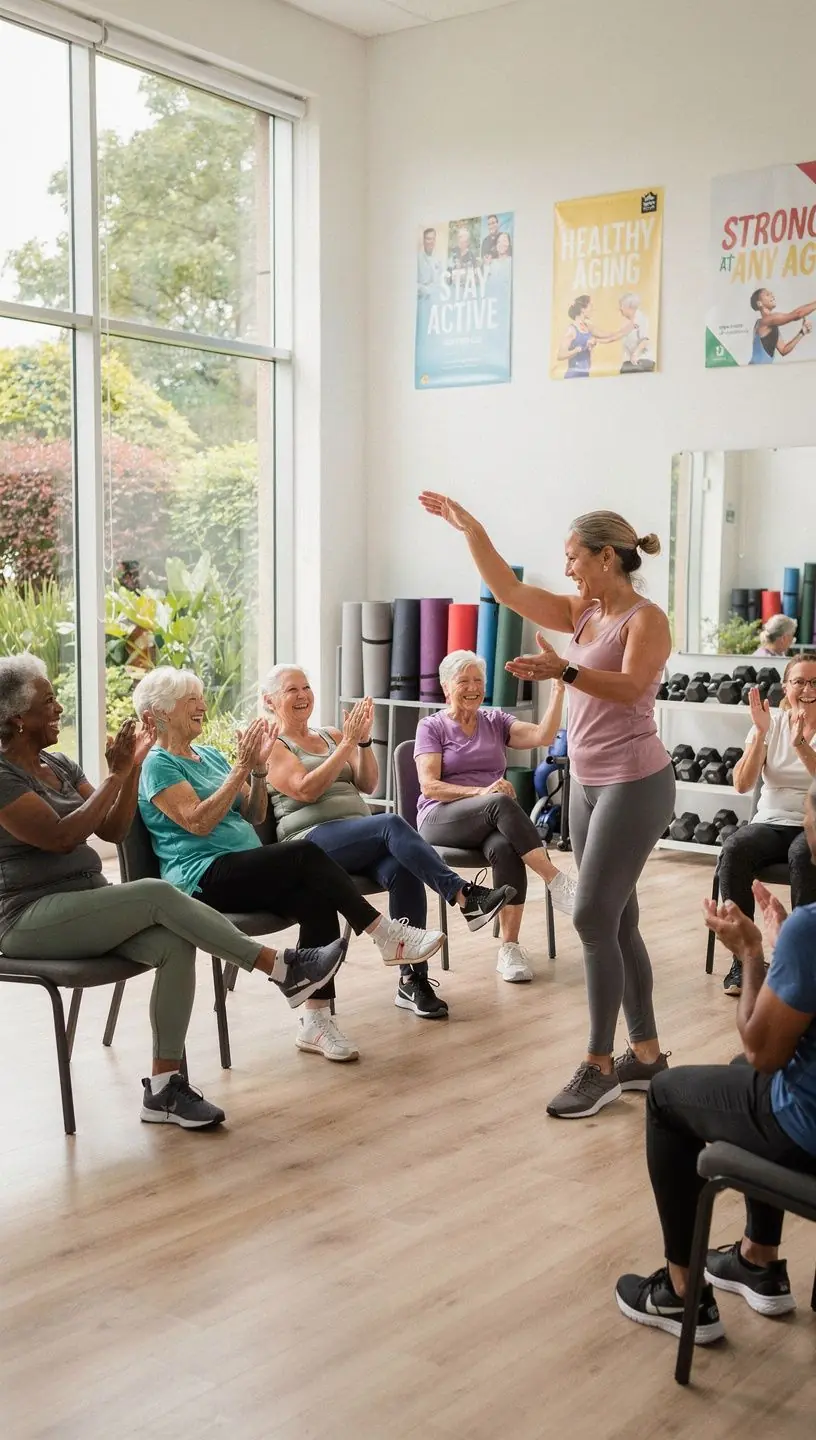
- Choose the Right Class: Look for dance classes specifically designed for seniors. These classes often focus on safety and appropriate movements, making them more suitable for those with mobility concerns.
- Commit to Regular Practice: Consistency is key. Many experts recommend attending dance classes at least once a week for optimal benefits. It typically takes several weeks to notice significant improvements in balance and mobility.
- Engage with the Community: Participating in social dance gatherings not only enhances physical skills but also builds a sense of community, which can improve mental and emotional well-being.
Conclusion
In conclusion, dance represents a fun and effective approach to improving mobility and balance for older adults. While results may vary based on individual commitment and the type of dance practiced, many users report positive changes over time. By engaging in dance, seniors can not only enhance their physical abilities but also enjoy the social benefits that come with it. Remember to consult with a healthcare provider before starting any new exercise program, especially if there are existing health concerns.