How to Encourage Participation in Dance Programs
Encouraging participation in dance programs can significantly enhance the well-being of older adults. This article explores practical strategies to foster engagement, creating a vibrant community and promoting active aging.
Understanding the Benefits of Dance for Active Aging
According to research, dance offers numerous benefits for older adults, including improved physical health, mental stimulation, and social interaction. Experts recommend that older adults engage in regular physical activity, and dance provides a fun and creative way to meet this recommendation. Studies show that participating in group dance activities can lead to enhanced cognitive function and mood improvements.

"Dance can serve as a powerful tool for social interaction and emotional expression, especially in older adults." - Dr. Jane Smith, Gerontologist
Creating a Welcoming Environment
Creating a welcoming atmosphere is essential for encouraging participation in dance programs. Here are some effective strategies:
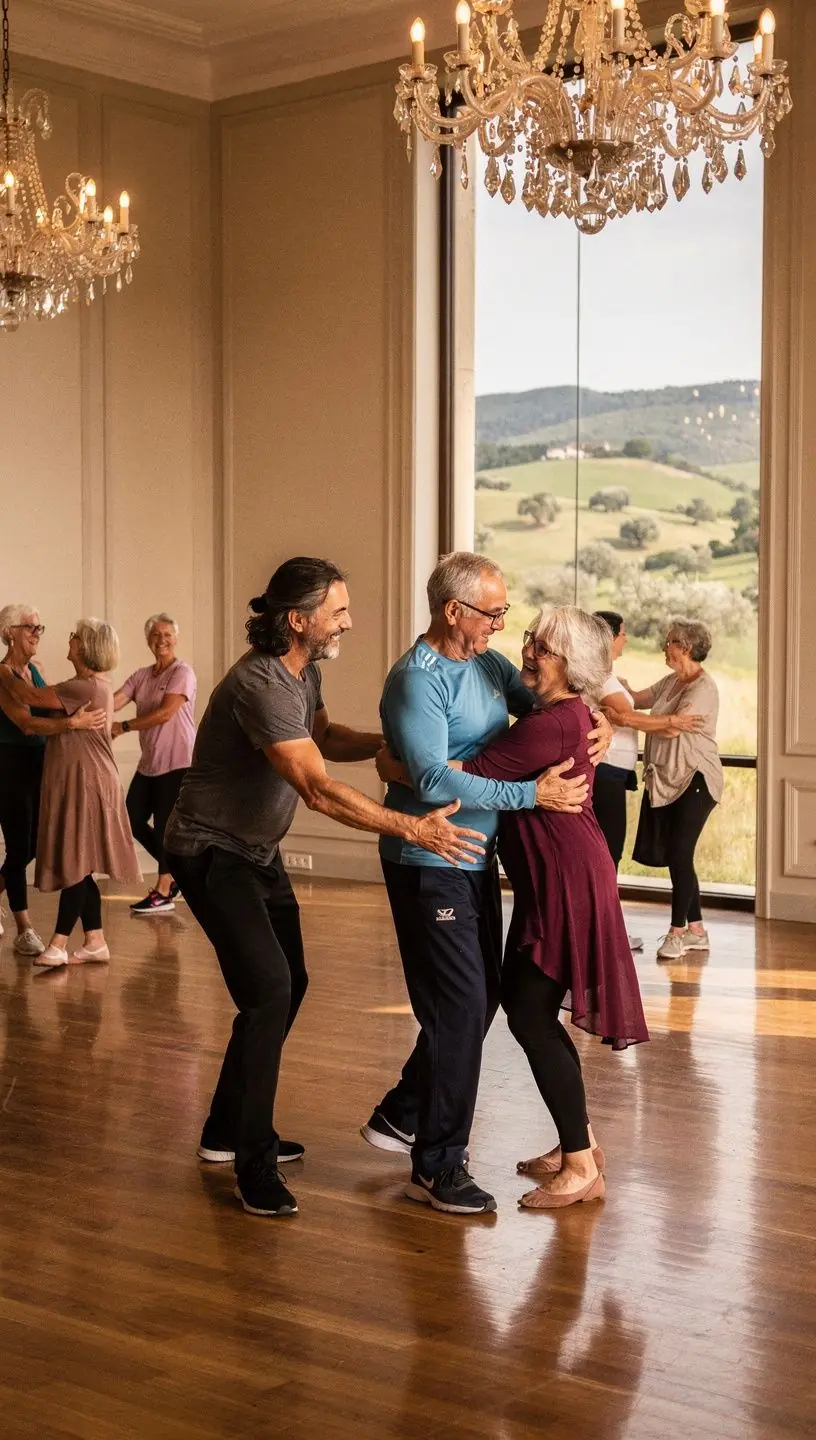
- Foster Inclusivity: Ensure that dance programs cater to all skill levels. Many users report feeling more comfortable joining when they know that beginners are welcomed and supported.
- Choose Accessible Locations: Hosting classes in easy-to-reach venues can significantly increase participation. Look for locations that are familiar and accessible to the community.
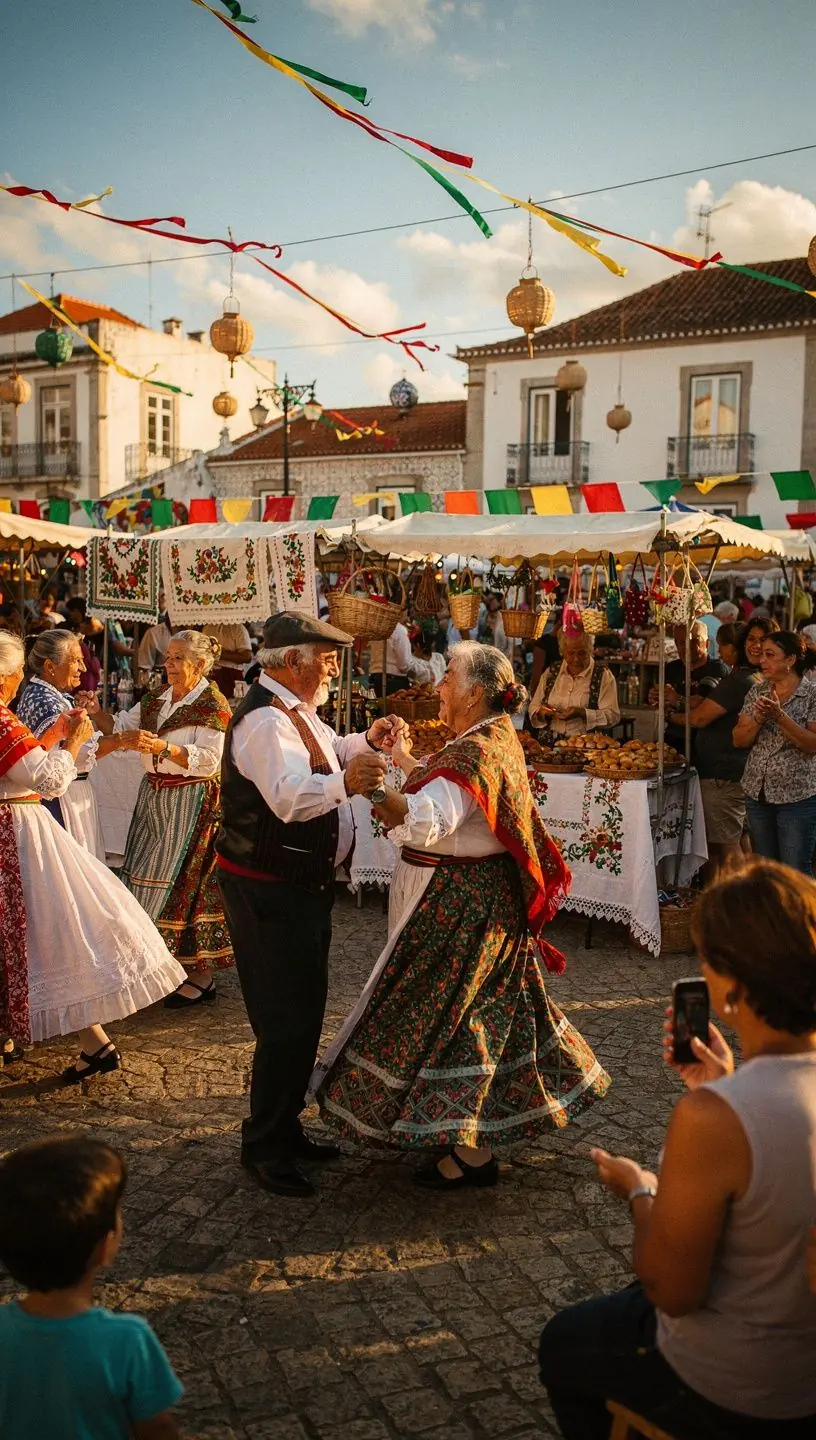
- Promote Social Interaction: Encourage social gatherings around dance classes. Research indicates that social connections can lead to increased motivation and enjoyment, making participants more likely to return.
Effective Communication Strategies
Effective communication is vital in promoting dance programs. Here are some methods to enhance outreach:
- Leverage Local Media: Utilize local newspapers, community boards, and social media to spread the word about dance events. Many communities respond well to personal stories or testimonials from current participants.
- Word-of-Mouth Promotion: Encourage current participants to invite friends. Research indicates that social endorsements often lead to increased participation rates.
- Provide Clear Information: Be transparent about what participants can expect. Sharing details about class structure, instructors’ qualifications, and any necessary equipment helps set realistic expectations.
Implementing Trial Classes and Workshops
Offering trial classes or workshops can be an effective way to engage new participants. Research suggests that people are more likely to commit to ongoing programs after experiencing a sample class. Here’s how to implement this strategy:
- Conduct Free Introductory Sessions: Providing a no-cost option allows potential participants to explore the program without financial commitment.
- Encourage Feedback: Collect feedback from trial participants to understand their experiences and make improvements. This feedback can also guide future programming.
- Follow-Up Communication: After a trial class, sending an email or message thanking participants and inviting them to join regular sessions can help convert interest into commitment.
Conclusion
Encouraging participation in dance programs requires a thoughtful approach that emphasizes community, inclusivity, and effective communication. By implementing these strategies, studios can create inviting spaces that foster engagement and promote the numerous benefits of dance for active aging. Remember, each participant's journey is unique, and by acknowledging their individual needs and preferences, studios can build a thriving dance community.
Learn More