Practical Techniques for Teaching Dance to Older Adults
As the population ages, it's increasingly important to provide enjoyable and beneficial activities for older adults. Dance classes tailored for this demographic can enhance physical health, social interaction, and mental well-being. However, teaching dance to older adults requires specific techniques and considerations to ensure a safe and effective learning environment. Here we explore practical strategies to enhance the dance experience for older individuals.
Understanding the Unique Needs of Older Adults
Older adults often face various physical and cognitive challenges that can influence their ability to learn new skills such as dance. Studies indicate that many older adults may have reduced flexibility, balance, and strength. Therefore, it’s crucial to adapt dance teaching methods accordingly. Here are some key considerations:
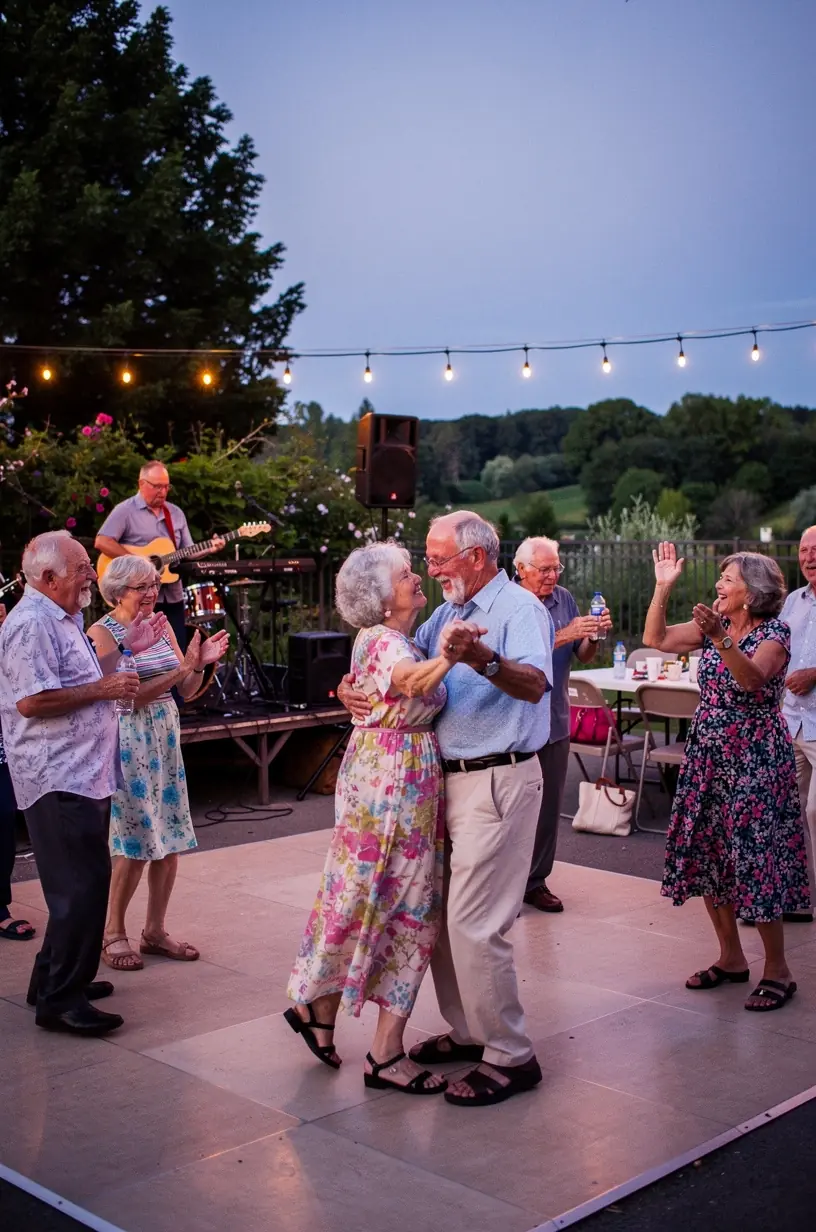
- Physical Limitations: Many older adults experience conditions like arthritis or reduced joint mobility, making it essential to include gentle movements and modifications.
- Cognitive Considerations: Short-term memory can be affected with age, so breaking down steps into smaller, manageable parts can enhance learning.
- Social Interaction: Research suggests that social engagement can significantly improve mental health, making dance classes a perfect setting for fostering friendships.
Effective Teaching Strategies
To create an inclusive and supportive dance environment for older adults, consider the following techniques:
- Start Slow: Begin each class with a warm-up that gradually increases in intensity. This helps participants to warm their muscles and enhances safety.
- Use Clear Instructions: Speak clearly and use simple language when explaining dance steps. Repeating instructions and demonstrating movements can be very beneficial.
- Encourage Participation: Foster a positive atmosphere by encouraging all participants to express themselves. Many report feeling more comfortable when they understand that everyone is learning together.
- Incorporate Props: Utilizing props such as scarves or chairs can make movements easier and more engaging. This allows for creativity while accommodating physical limitations.
- Prioritize Safety: Ensure that the dance space is free of hazards and that participants are aware of their surroundings. Incorporating balance exercises can be helpful in improving stability.
"Experts recommend that dance programs for older adults should prioritize enjoyment and social connection, rather than perfection in technique."
Setting Realistic Expectations
When introducing dance to older adults, it's vital to set realistic expectations regarding progress and participation. Results often vary based on individuals' prior experience and physical condition. Typically, participants may begin to feel more confident and coordinated within 4-6 weeks of regular practice. However, patience and consistency are key.
Also, keep in mind that while many users report improvements in mood and social connectedness, these benefits may take time to manifest fully. It is essential to communicate that progress is a gradual process and that each individual will experience their journey differently.
Conclusion
Teaching dance to older adults is a rewarding venture that can significantly impact their physical and emotional well-being. By understanding their unique needs and employing effective teaching strategies, instructors can create a supportive and enjoyable environment. Prioritizing safety, clear communication, and social interaction can lead to a positive dance experience for older adults. Embrace the journey, and remember that every step taken on the dance floor is a step toward enhanced joy and vitality.
Learn More